
Drawing & DFM review
Part geometry, alloy, wall sections, draft, parting line, ejector strategy and appearance requirements are reviewed before tooling.
Die Casting
Custom die cast components produced to customer drawings with alloy, tooling, finish and secondary machining requirements reviewed together.
Capability overview
Drawing-led die casting support from moldability review and tooling through samples, production, secondary machining, finishing and inspection.
Project workflow
Part geometry, alloy, wall sections, draft, parting line, ejector strategy and appearance requirements are reviewed before tooling.
Tool construction and the sample-validation scope are aligned with quantity, critical features and expected production demand.
Casting, trimming, deburring, machining, surface treatment and assembly requirements are coordinated as one process route.
Approved samples and drawing requirements guide dimensional checks, appearance review and repeat manufacturing.
Product examples
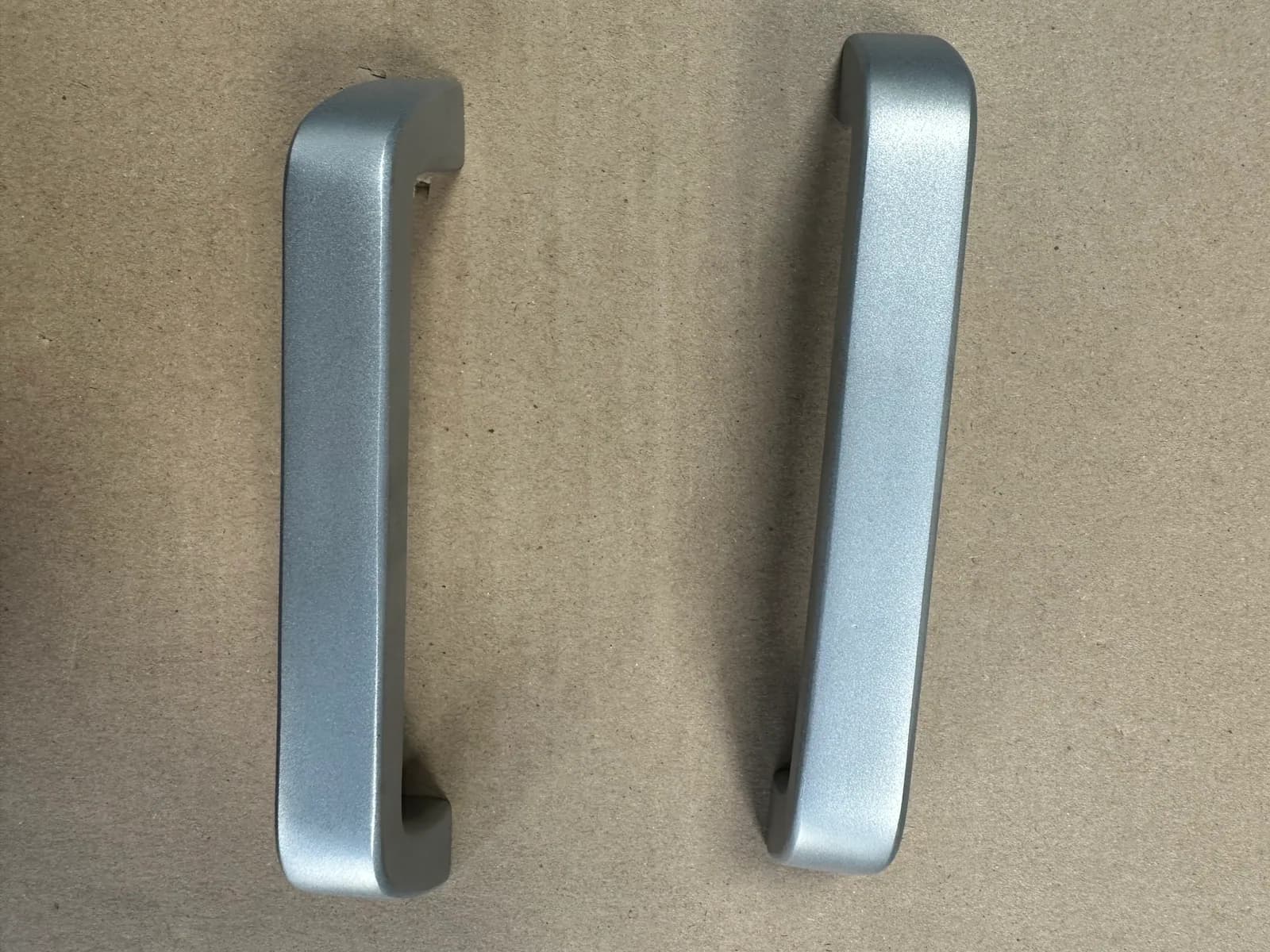
Images illustrate the component families and application context relevant to this capability.
Materials
Applications
Surface finishing
Anodizing, coating, plating, passivation and mechanical finishes can affect dimensions, masking, color and inspection. Compare the options before submitting your RFQ.
Compare surface finishesMolding & tooling
Plastic injection molding, metal injection molding, export molds, metal stamping and die casting have different material, geometry, volume and ownership requirements.
Compare molding and tooling optionsFrequently asked questions
Project-specific capability depends on the drawing, material, quantity and inspection requirements.
Read the RFQ checklistSend the latest 3D model and controlled 2D drawing with alloy, quantity, finish, critical dimensions, appearance surfaces and any inspection or documentation requirements.
The review considers wall transitions, draft, ribs, bosses, parting lines, ejector locations, machining allowance and areas that may affect filling or ejection.
Yes. Critical bores, threads, sealing faces and mounting features can be reviewed for secondary machining when the drawing requires them.
Finishing requirements such as blasting, coating, painting or other project-specific treatments can be reviewed together with masking and cosmetic expectations.
Send the key project details and our manufacturing team will respond with a focused next step.