A US customer visited MIM Machining to review finished products from a 10,000-set program delivered from prototype development through injection molding and final assembly.
Key takeaways
The US customer selected MIM Machining for a program covering prototypes, injection mold development, production and final assembly.
The production requirement was 10,000 finished sets, with a total program value of up to US$1 million.
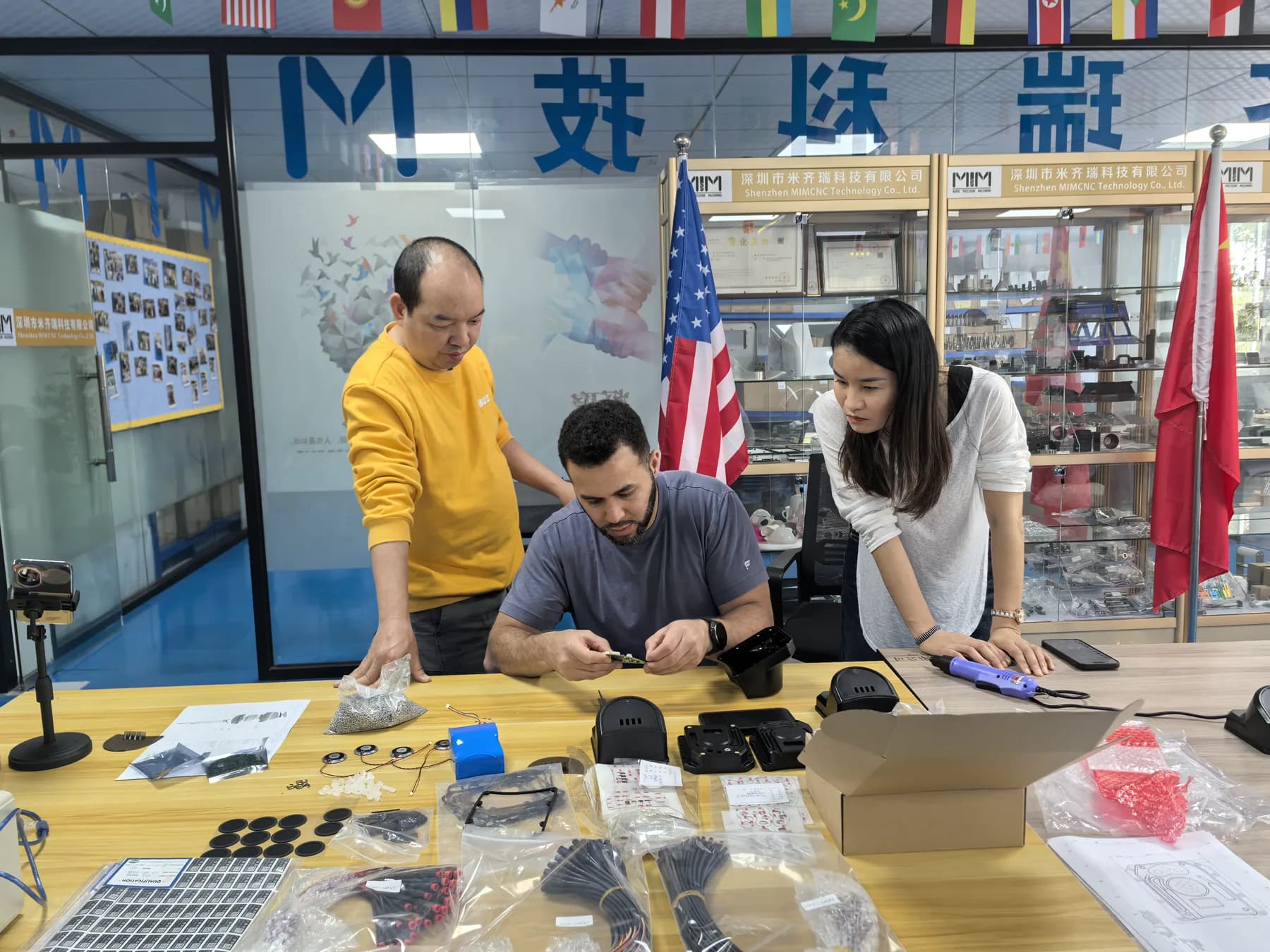
The customer visited MIM Machining to inspect the completed products and review the assembled result with the project team.
MIM Machining operates more than 50 machines, with typical lead-time targets ranging from 3–5 days for prototypes to approximately 20–30 days for injection mold and molding production.
01
Project snapshot
This case study documents a real project completed for a US customer. To protect commercial confidentiality, the customer's company name and the product's technical specifications are not disclosed.
MIM Machining supported the program from early prototypes through injection mold development, production and final assembly. The order covered 10,000 finished sets and represented a total program value of up to US$1 million.
- Customer market: United States
- Production quantity: 10,000 finished sets
- Scope: prototype development, injection mold tooling, molded-part production and assembly
- Program value: up to US$1 million
- Final review: customer inspection at MIM Machining
02
Manufacturing capacity and typical lead-time planning
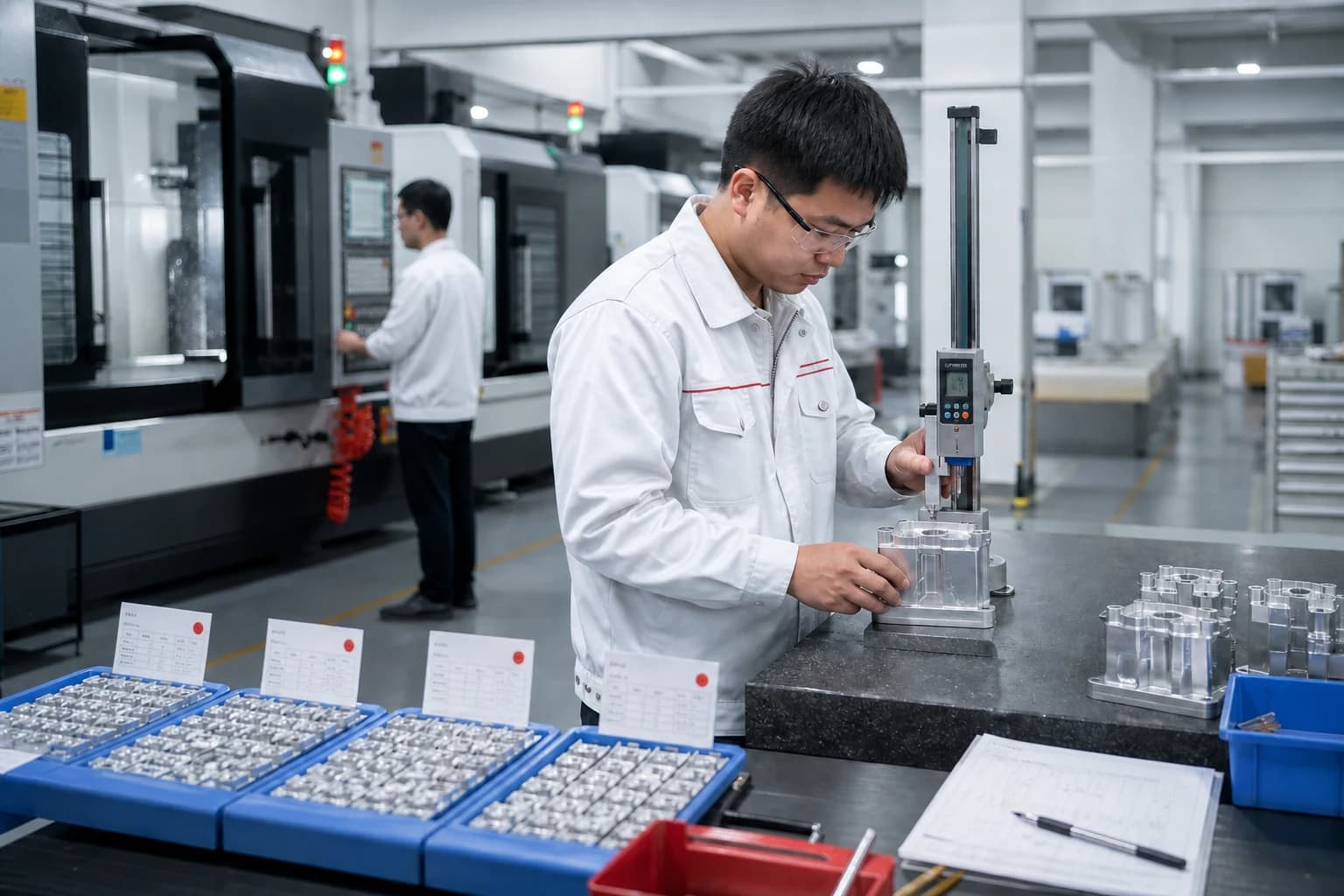
MIM Machining operates more than 50 production machines and supporting equipment. For suitable precision-machined features, tolerance capability can reach ±0.002 mm. Achievable tolerance depends on the material, geometry, process route, feature size and agreed inspection method, so every requirement is confirmed through drawing review.
Delivery is planned around the customer's required schedule. As a general reference, prototype parts can typically be completed in 3–5 days, small-batch production in approximately 10 days, and injection mold development with molding production in approximately 20–30 days. These are typical targets rather than fixed guarantees; the confirmed lead time is stated after the files, quantity, material and project scope have been reviewed.
- Manufacturing capacity: more than 50 machines and supporting equipment
- Precision-machining tolerance capability: as tight as ±0.002 mm for suitable features
- Prototype lead-time target: 3–5 days
- Small-batch lead-time target: approximately 10 days
- Injection mold and molding-production target: approximately 20–30 days
- Final delivery schedule: aligned with customer requirements after project review
03
Starting with prototypes before committing to production
The project began with prototype work before the production tooling and volume order moved forward. This gave the customer and the MIM Machining team a physical reference for reviewing the product and the planned assembly before committing to 10,000 sets.
Prototype-to-production continuity matters on a multi-stage program because design information, part interfaces and assembly expectations must remain aligned as the project moves into tooling and volume manufacturing.
- Prototype work established a physical basis for review
- The same project team coordinated the transition into tooling
- Assembly requirements remained part of the manufacturing discussion
04
Injection mold development and production for 10,000 sets
After the prototype stage, MIM Machining coordinated injection mold development and production of the molded components required for the finished product. Tooling, molded parts and downstream assembly were managed as connected parts of the same program.
The product design, material specifications and tooling details remain confidential. What can be shared is the verified production volume: 10,000 finished sets were included in the customer program.
05
Managing assembly as part of the complete program
MIM Machining's responsibility continued beyond individual molded components. The parts were brought together for final assembly so the customer could evaluate the completed product rather than a collection of separate manufacturing outputs.
For buyers, a coordinated prototype-to-assembly route can reduce the number of supplier handoffs that must be managed. The exact inspection and acceptance requirements still need to be defined for each project, but keeping the manufacturing stages connected gives both teams one place to review progress and resolve questions.
- Prototype, tooling, molding and assembly coordinated under one project
- Finished sets prepared for customer review
- Commercial and technical details retained under confidentiality
06
The US customer reviewed the finished products on site
The customer traveled to MIM Machining to inspect the completed products with the project team. The photograph and video on this page show the on-site review of the finished assembly and production components.
This in-person review gave the customer a direct look at the result of the program from prototype development through assembled production. Customer identity and proprietary product information have been intentionally omitted from this public case study.
07
Planning a prototype-to-production project for North America
A project that combines prototypes, injection molding and assembly should begin with a clear RFQ package. Share the current 3D model and controlled drawings together with target quantity, material requirements, finish, assembly scope, inspection expectations and delivery needs.
MIM Machining can review the complete scope before quotation and identify which requirements still need clarification. If your team is sourcing for the United States or Canada, send the project files and describe the production volume you are planning.
- 3D CAD files and controlled 2D drawings
- Prototype and production quantities
- Material and finish requirements
- Assembly bill of materials and acceptance criteria
- Inspection records and delivery expectations
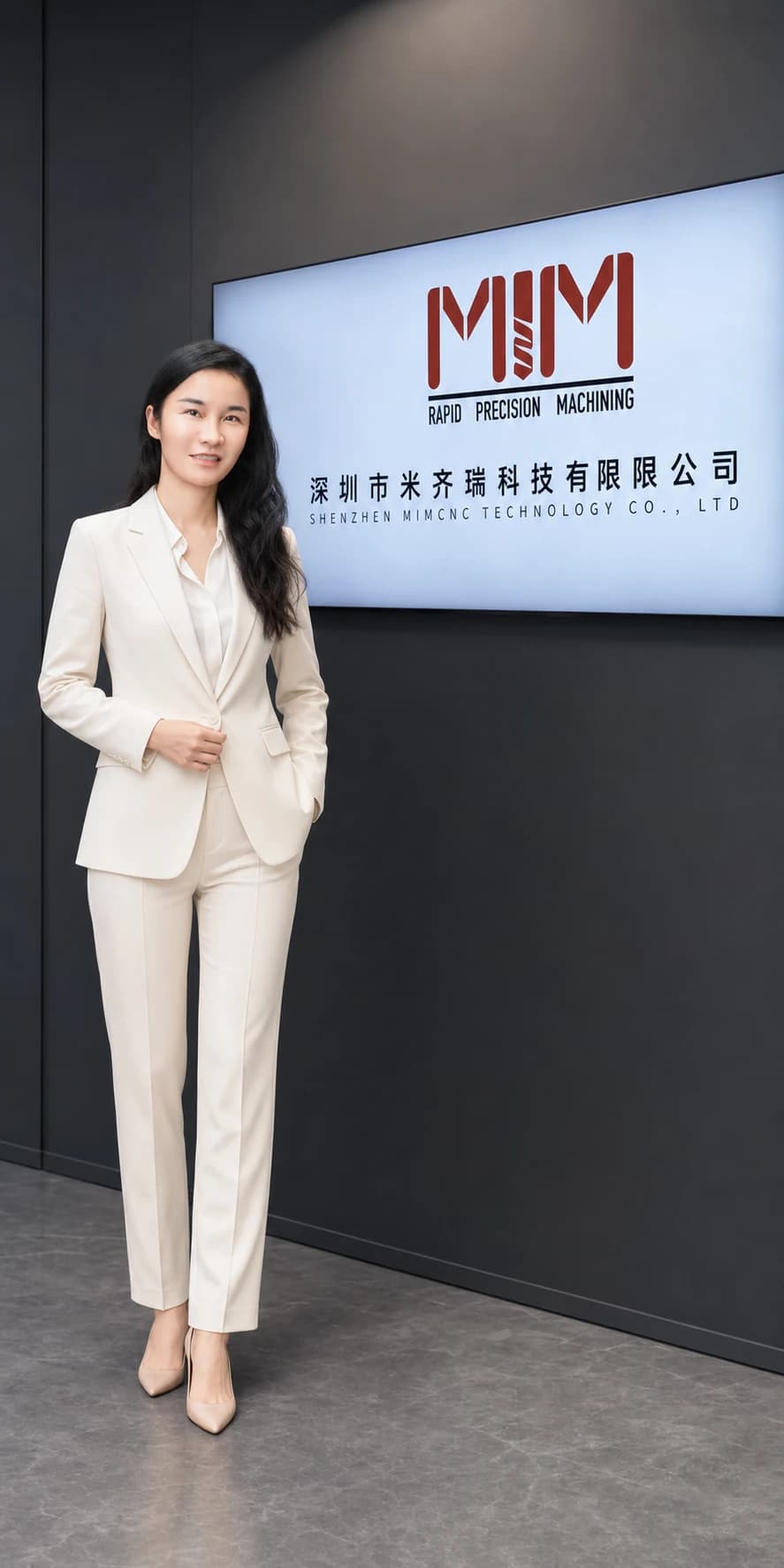
Julie Cai
Project contact connecting international customers with MIM Machining's manufacturing and engineering review team.
Contact Julie