
3-Axis Milling
Prismatic parts with accessible faces, pockets, slots and hole patterns.
Prismatic and multi-face components
CNC milling removes material with rotating cutting tools to produce pockets, slots, bores, planar faces and complex contours. We review the complete drawing around datum strategy, workholding, tool access, material, quantity and inspection requirements before quotation.
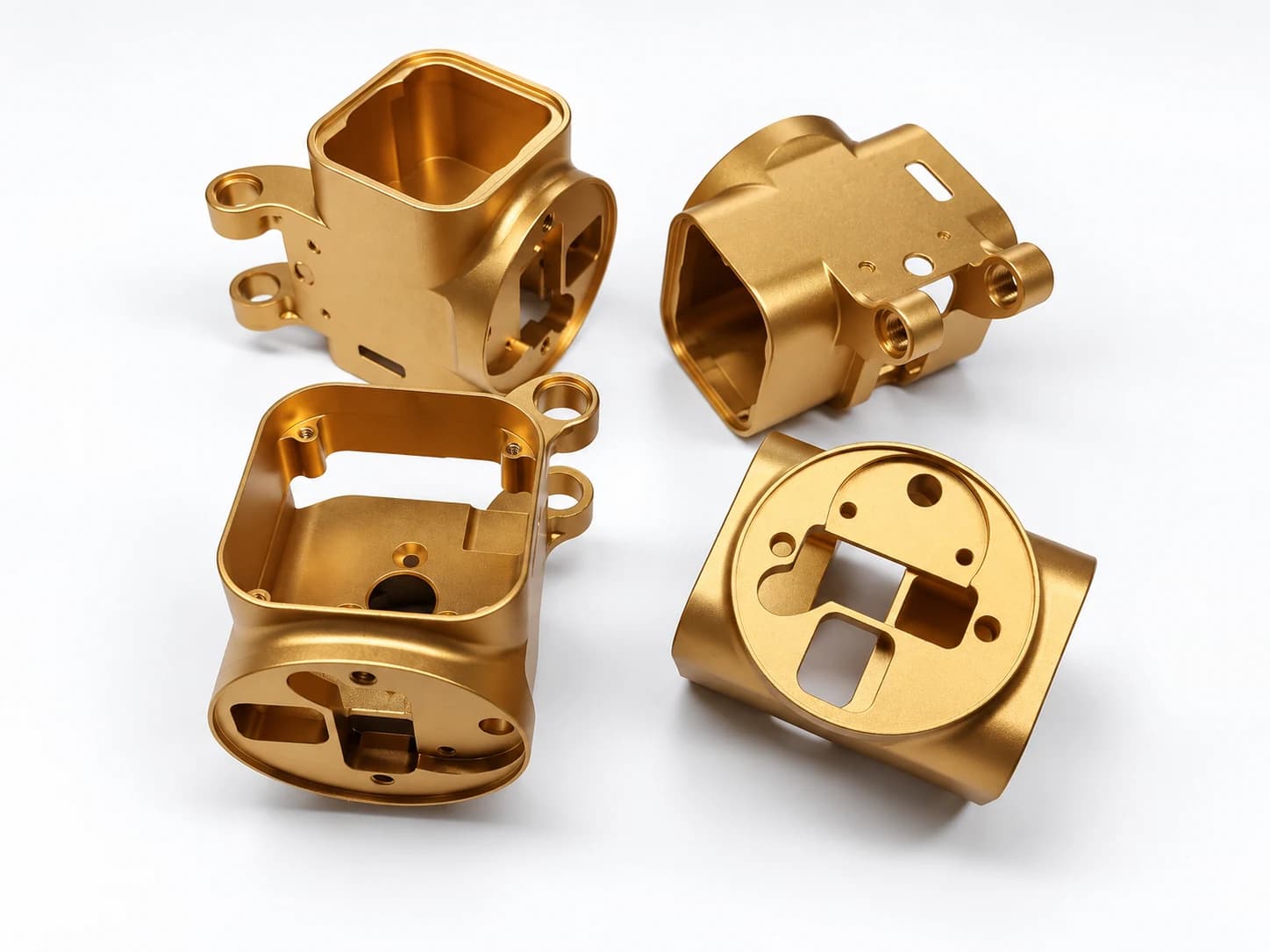
Process capabilities
These capability groups are a starting point. Final equipment, setup and inspection planning remain subject to drawing review.
Prismatic parts with accessible faces, pockets, slots and hole patterns.
Angled features and multiple faces reviewed for fewer repositioning steps.
Bores, tapped holes, counterbores and sealing features planned from the drawing.
Deburring, inspection and specified finishing coordinated with the machined part.
Common part types
Part names are only a guide. Geometry, critical characteristics and quantity determine the actual manufacturing route.
Material planning
Commonly evaluated for lightweight housings, plates and thermal components.
Selected when corrosion resistance, strength or cleaning requirements matter.
Reviewed for structural components, fixtures, tooling and wear applications.
Grade, stability, workholding and cosmetic requirements are reviewed together.
RFQ checklist
A focused quotation starts with the current revision and identifies which features matter most to function and acceptance.
Start Your Project ReviewFrequently asked questions
Project-specific answers require the controlled drawing, material and quantity.
CNC milling is commonly evaluated for housings, plates, brackets, manifolds, fixtures and other parts with prismatic or multi-face features.
Multi-axis machining may help when important features are distributed across several faces or include angled access. The setup plan depends on the complete geometry and tolerance relationships.
Send a STEP or STP model and a controlled PDF drawing when available, plus material, quantity, finish, inspection and delivery requirements.
Finishing requirements can be reviewed with the machining request. Specify the required finish, color, masking, cosmetic areas and dimensions controlled after finishing.
Upload the current drawing, material, quantity and critical requirements for a focused manufacturing review.