
Multi-Face Access
Features across several orientations reviewed within one process plan.
Complex geometry across multiple faces
Five-axis machining can position the workpiece and cutting tool to reach features distributed across complex faces. It may reduce repositioning and help maintain relationships between angled bores, contours and datum-controlled features, but suitability depends on part geometry and inspection requirements.
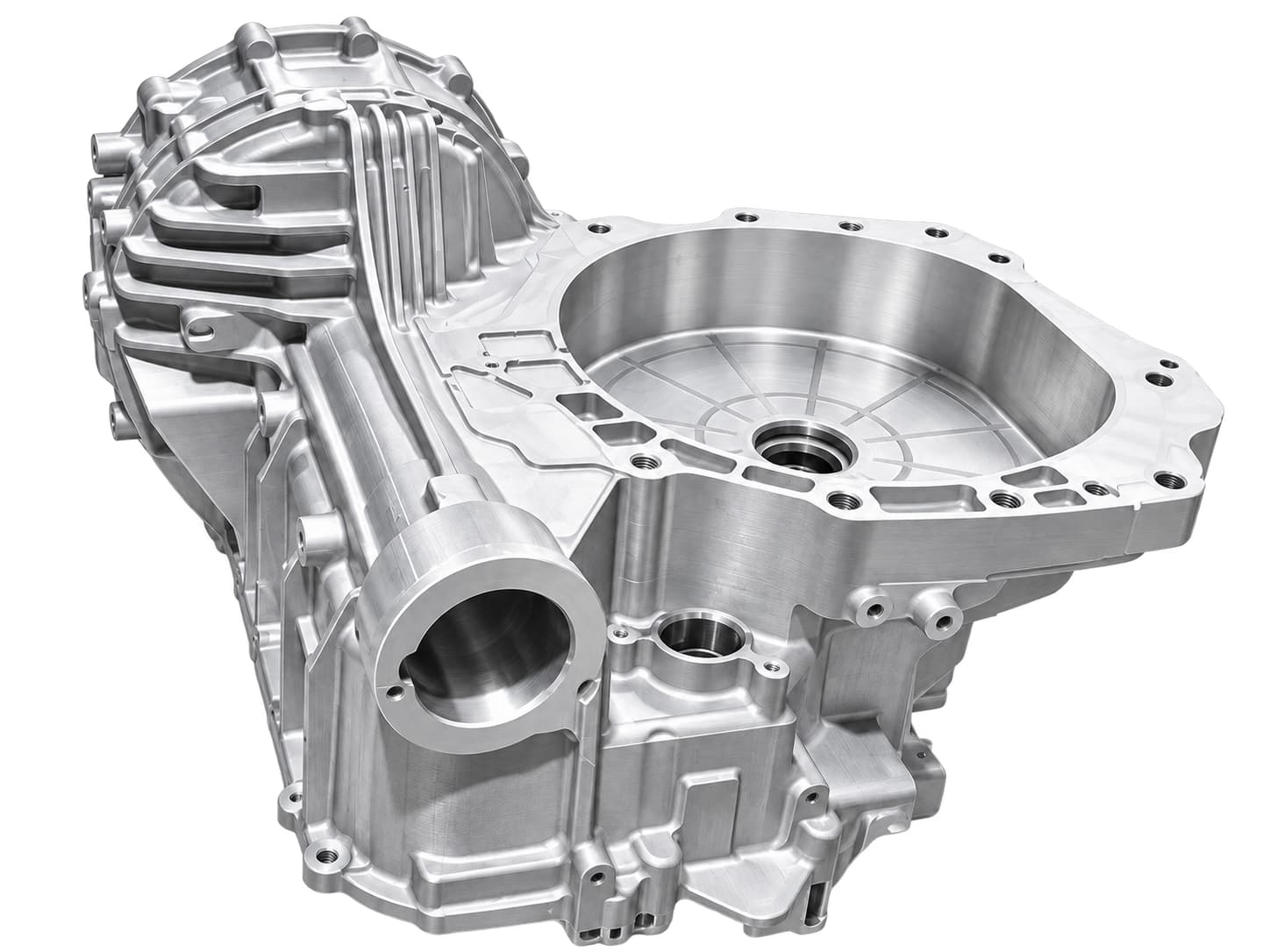
Process capabilities
These capability groups are a starting point. Final equipment, setup and inspection planning remain subject to drawing review.
Features across several orientations reviewed within one process plan.
Compound-angle holes and related features evaluated for tool access.
Three-dimensional surfaces assessed around cutter reach and finishing strategy.
Critical relationships planned with workholding and inspection in mind.
Common part types
Part names are only a guide. Geometry, critical characteristics and quantity determine the actual manufacturing route.
Material planning
Frequently evaluated for lightweight complex housings and structural components.
Selected for corrosion resistance and demanding functional requirements.
Requires project-specific review of grade, geometry, tooling and inspection scope.
Complex plastic parts are reviewed for stability, holding and feature access.
RFQ checklist
A focused quotation starts with the current revision and identifies which features matter most to function and acceptance.
Start Your Project ReviewFrequently asked questions
Project-specific answers require the controlled drawing, material and quantity.
It is commonly considered when important features are distributed across multiple faces, include compound angles or require fewer repositioning steps.
No. Some parts are more economical on three-axis or indexed equipment. The manufacturing route should be selected from the complete drawing and quantity.
Use a controlled drawing with a clear datum reference frame, critical tolerances, surface requirements and inspection expectations.
Yes, specified finishing can be reviewed with machining. Masking, cosmetic zones and post-finish dimensional requirements should be identified.
Upload the current drawing, material, quantity and critical requirements for a focused manufacturing review.