
Critical Fits
Bores, shafts, threads and mating interfaces identified before process planning.
Critical features and inspection planning
Precision machining is not defined by one tolerance value. It is a controlled approach that connects the drawing, datum structure, workholding, cutting sequence, material behavior and inspection method around the features that determine part function.
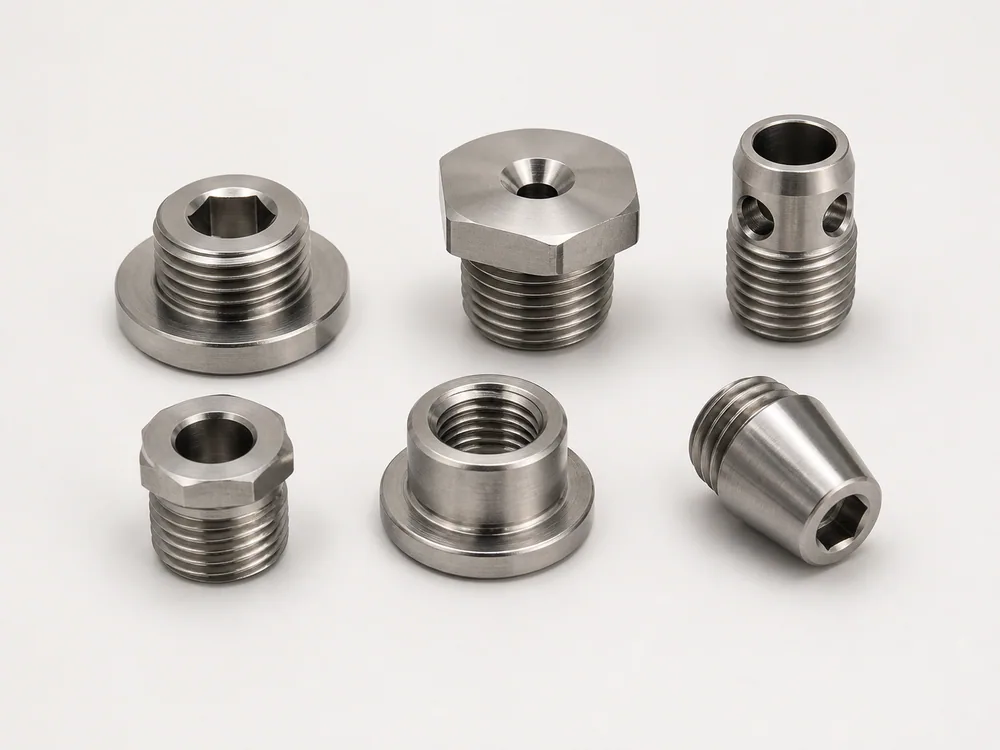
Process capabilities
These capability groups are a starting point. Final equipment, setup and inspection planning remain subject to drawing review.
Bores, shafts, threads and mating interfaces identified before process planning.
Datum references and geometric controls reviewed with measurement access.
Machining sequence and in-process checks planned around critical characteristics.
Requested report scope and documentation are defined during quotation.
Common part types
Part names are only a guide. Geometry, critical characteristics and quantity determine the actual manufacturing route.
Material planning
Grade and temper are reviewed alongside stability and finishing needs.
Condition, hardness and corrosion requirements influence planning.
Heat treatment, stock condition and grinding needs should be defined early.
Project-specific alloys and plastics require confirmation before quotation.
RFQ checklist
A focused quotation starts with the current revision and identifies which features matter most to function and acceptance.
Start Your Project ReviewFrequently asked questions
Project-specific answers require the controlled drawing, material and quantity.
Critical fits, geometric relationships, surface requirements and inspection expectations—not a single universal tolerance—drive precision process planning.
They affect measurement access, equipment, programming, sampling, documentation and quotation effort.
Yes. Apply tighter controls where they protect function and use appropriate general tolerances elsewhere.
Features controlling fit, sealing, motion, alignment, safety or customer acceptance should be clearly identified on the drawing.
Upload the current drawing, material, quantity and critical requirements for a focused manufacturing review.