
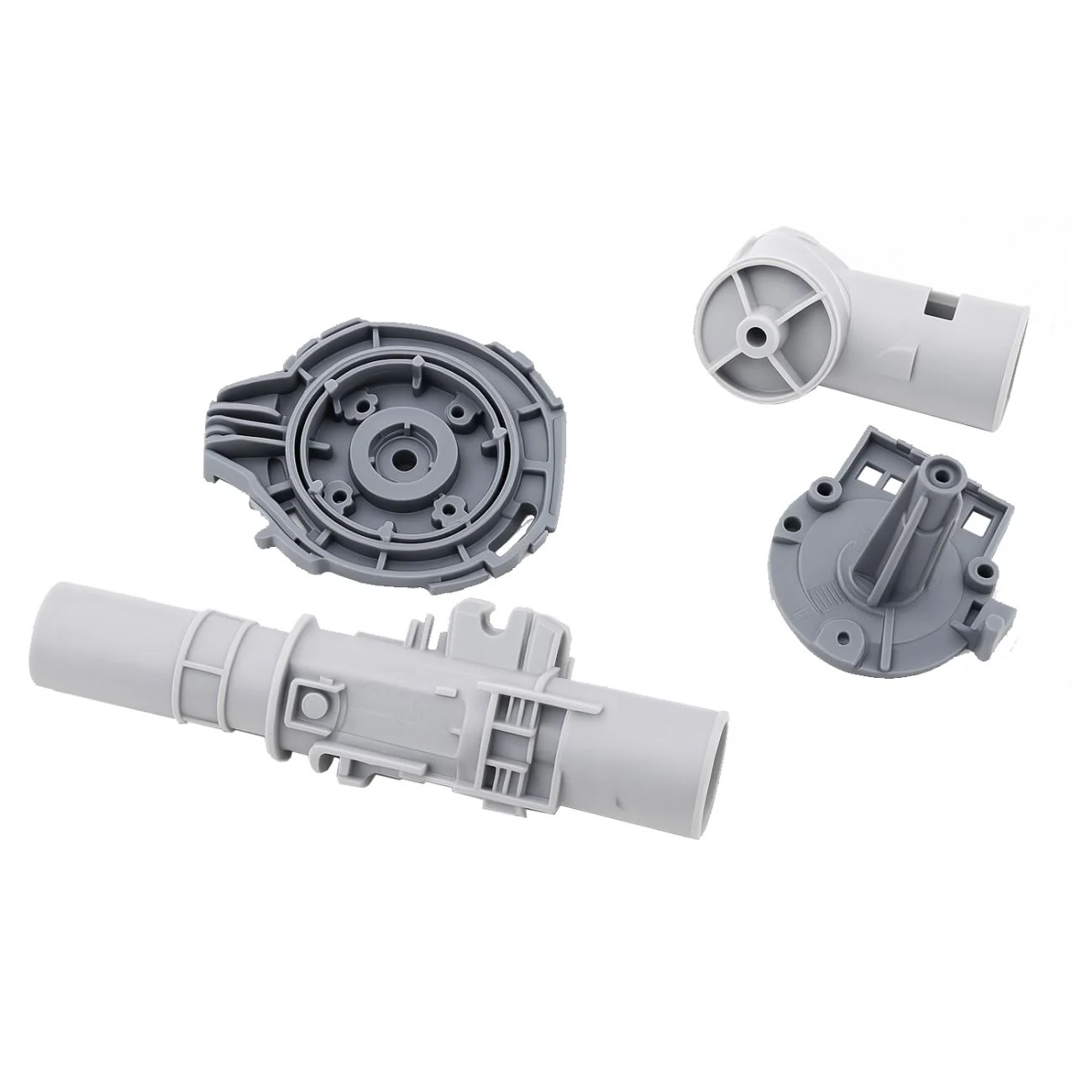
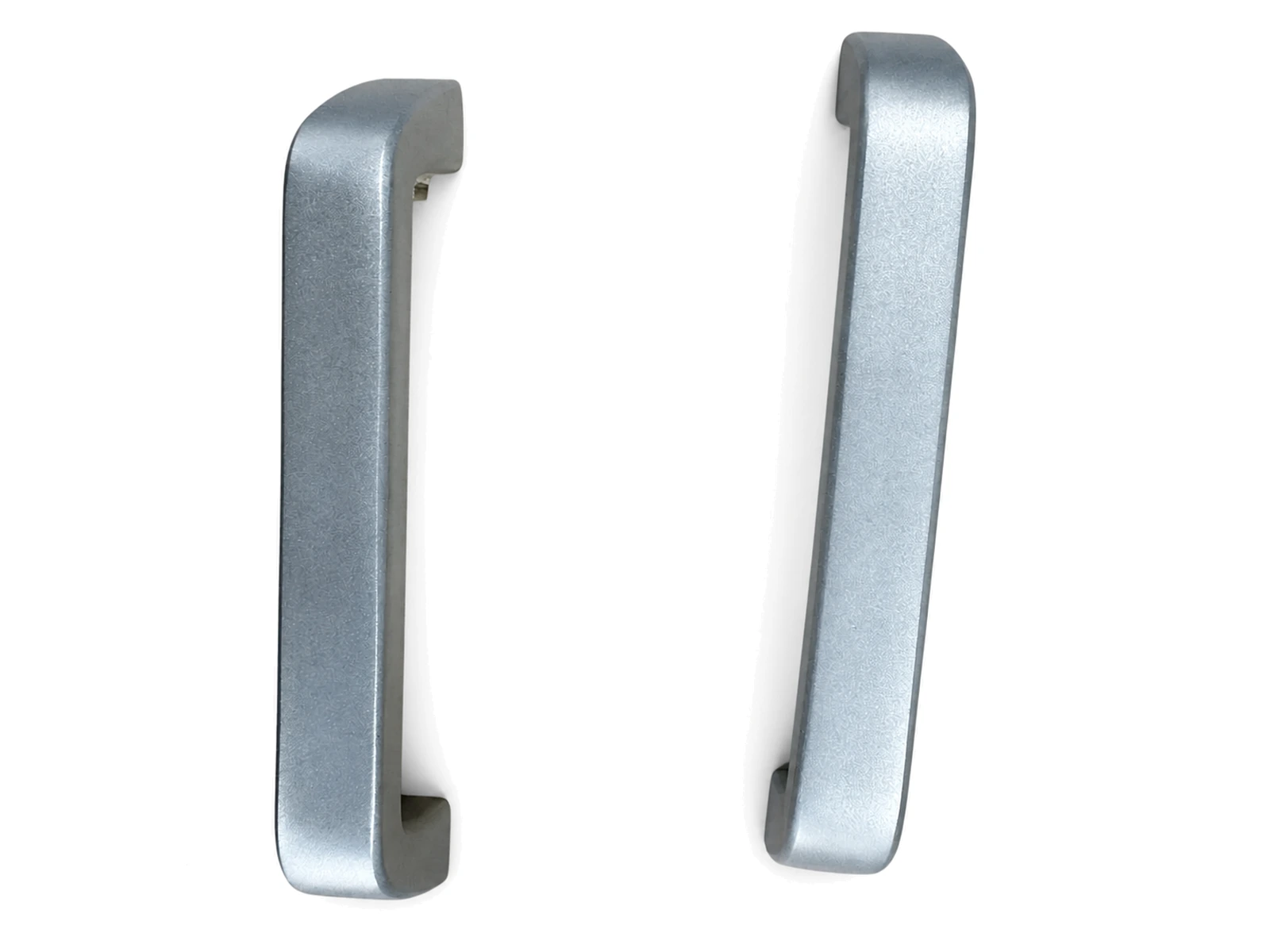
Thermoplastic parts
Plastic Injection Molding
- Resin, color and appearance review
- Insert molding and overmolding by project
- Tooling, samples and repeat production
Molding, tooling & forming
Compare plastic injection molding, metal injection molding, export molds, metal stamping and die casting around material, geometry, production volume, tooling ownership and validation requirements.


Five project routes
We keep the terminology clear because each route has different material behavior, tooling risks and cost drivers. Final capability and supplier route are confirmed against the project.
Thermoplastic parts
Small complex metal parts
Tool transfer & production launch
Sheet metal forming
Non-ferrous metal components
Process comparison
A similar-looking part can require a completely different process depending on whether it begins as resin, powder feedstock, sheet, molten alloy or a transferable tool.
| Process | Starting material | Useful starting point | Key RFQ controls | Next step |
|---|---|---|---|---|
| Plastic injection molding | Thermoplastic or selected thermoset | Molded polymer components at repeat volume | Resin, shrinkage, draft, gates, parting line, ejectors and appearance | Review |
| Metal injection molding (MIM) | Metal powder plus binder feedstock | Small, intricate metal geometry at suitable production volume | Material standard, sintering shrinkage, section balance, datum and post-processing | Review |
| Export mold tooling | Steel or aluminum tooling system | Customers who will run the mold at another production site | Press interface, mold standard, resin, expected life, documentation and acceptance | Review |
| Metal stamping | Sheet or coil metal | Repeat flat or formed sheet-metal components | Material condition, thickness, bend/form direction, burr side and tool concept | Review |
| Die casting | Aluminum, zinc or other reviewed non-ferrous alloy | Complex metal housings and structural components at repeat volume | Alloy, draft, wall transitions, parting line, porosity-sensitive zones and machining allowance | Review |
Tooling-to-production workflow
Tool price alone does not define project risk. Agree on the sample, changes, ownership and production-release criteria before construction begins.
Tooling-ready RFQ
When the production route is not yet fixed, share the application and commercial demand as well as the geometry. The review can then consider tooling, unit economics and downstream operations together.
Request a Molding & Tooling ReviewFrequently asked questions
Clear terminology helps tooling suppliers, production teams and buyers evaluate the same requirement.
Send a project for reviewNot in standard manufacturing terminology. Metal stamping forms sheet or coil with a die, while die casting injects molten metal into a die. They are grouped here because buyers often evaluate all five as tooling-dependent production routes.
Plastic injection molding normally delivers the molded polymer as the finished base material. Metal injection molding uses metal-powder feedstock; the molded green part must be debound and sintered, so material behavior and shrinkage are central to the process plan.
An export mold is intended for transfer to and operation at a customer or nominated production facility. The RFQ should define the destination mold standard, target press, utilities, resin, expected service life, documentation, spare components, sample approval and shipping requirements.
Usually yes. Quote the tool together with target annual quantity, expected program life, sample plan, production material, appearance requirements and inspection scope so the tool concept is matched to the real production need.
The manufacturing and tooling route is confirmed during project review. Depending on process, specification and capacity, work may be coordinated with a qualified specialist supplier and verified against the agreed drawing and inspection requirements.
Send the key project details and our manufacturing team will respond with a focused next step.