
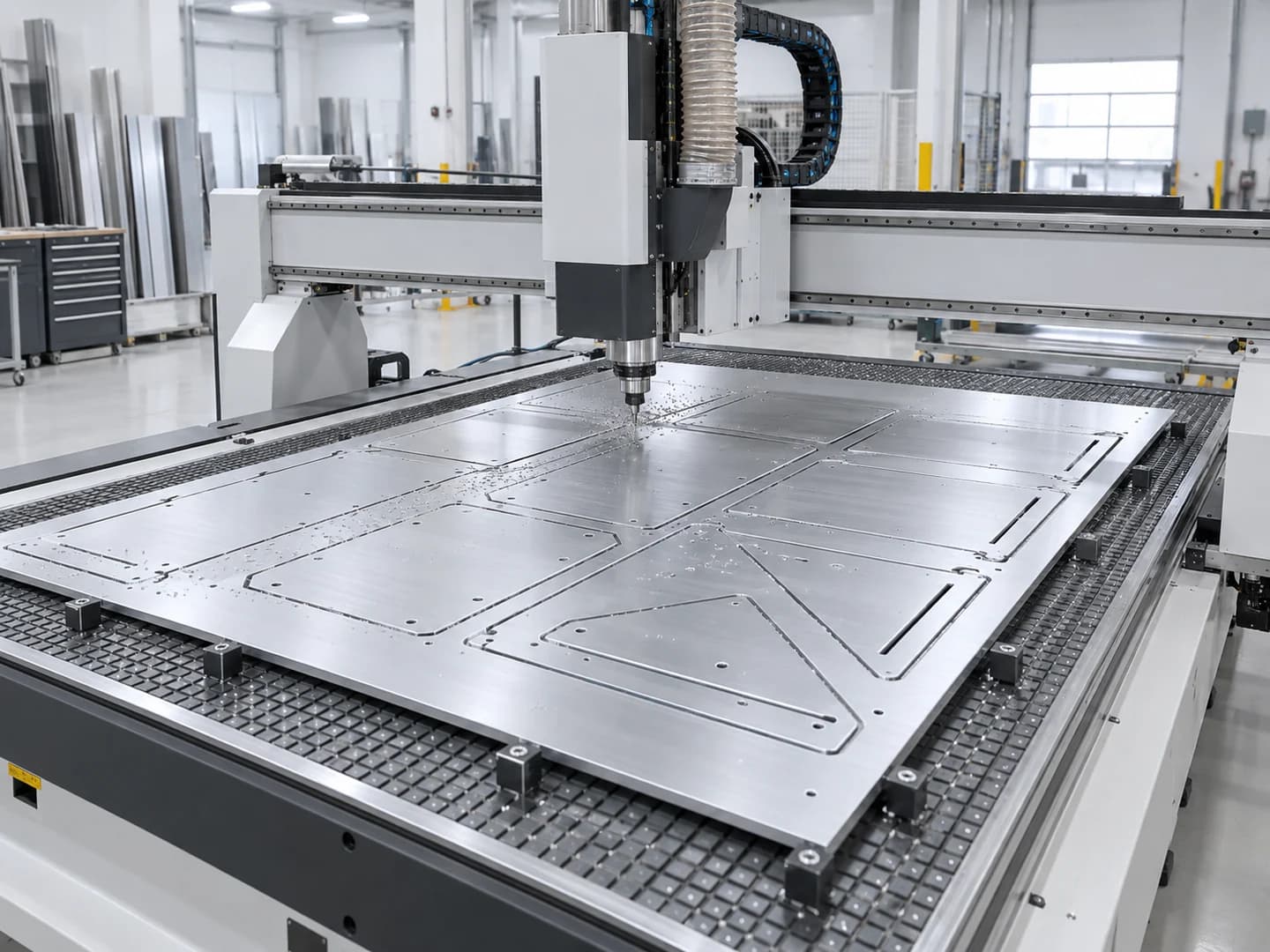
Large-Format Panel Routing
Large sheets and panel layouts are reviewed around machine envelope, vacuum workholding, part spacing, material utilization and edge requirements.
Get a CNC Routing QuoteCustom CNC routing services
Review large-format panels, complex contours, pockets, engraving and repeat layouts through one drawing-led CNC routing workflow.
CNC routing capabilities
Each project is reviewed against the actual material, panel size, geometry, quantity and required edge quality before process confirmation.
Large sheets and panel layouts are reviewed around machine envelope, vacuum workholding, part spacing, material utilization and edge requirements.
Get a CNC Routing Quote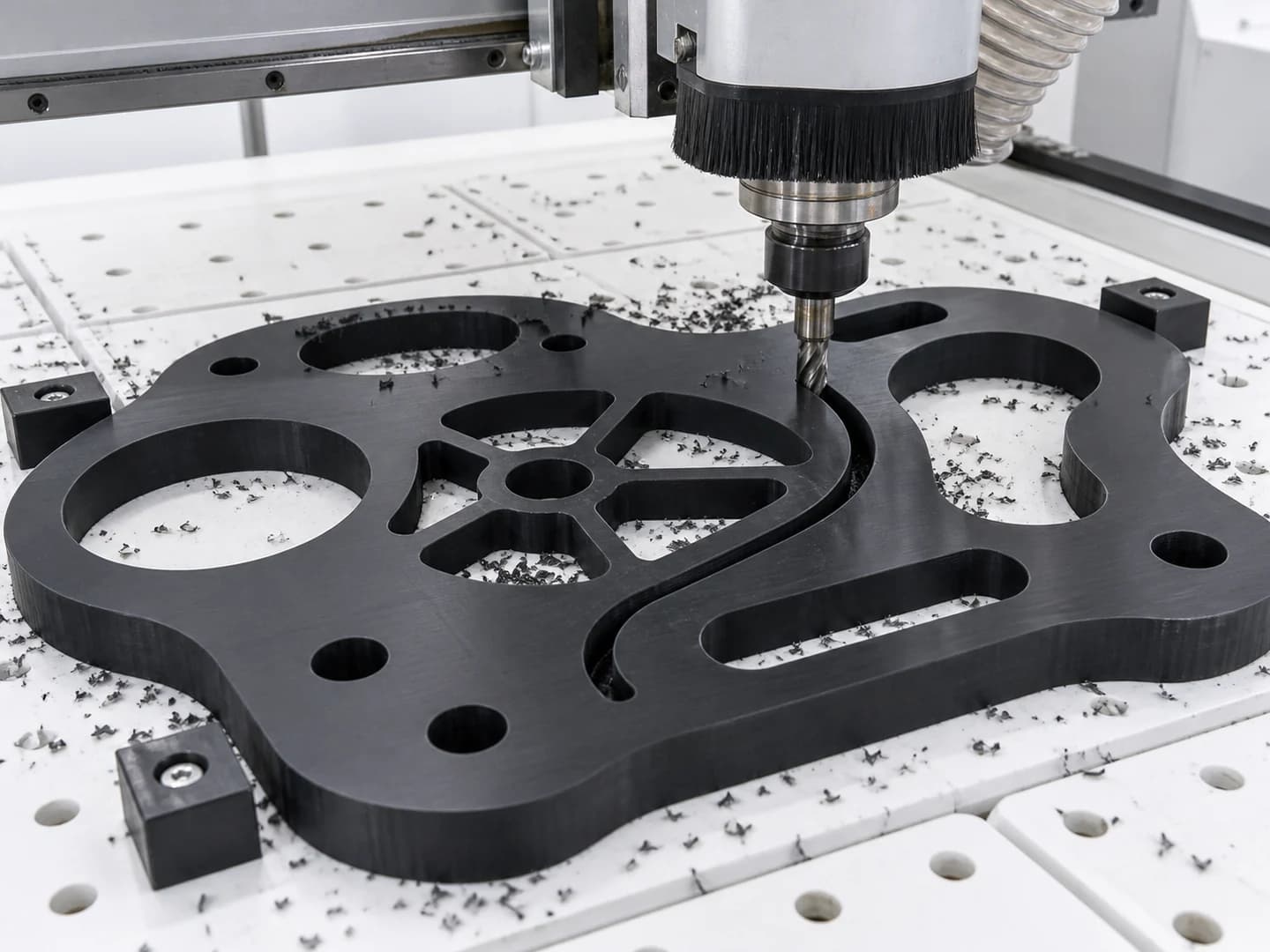
Profile cutting, pockets, curved outlines, openings and internal features can be combined in one programmed routing sequence when geometry allows.
Get a CNC Routing Quote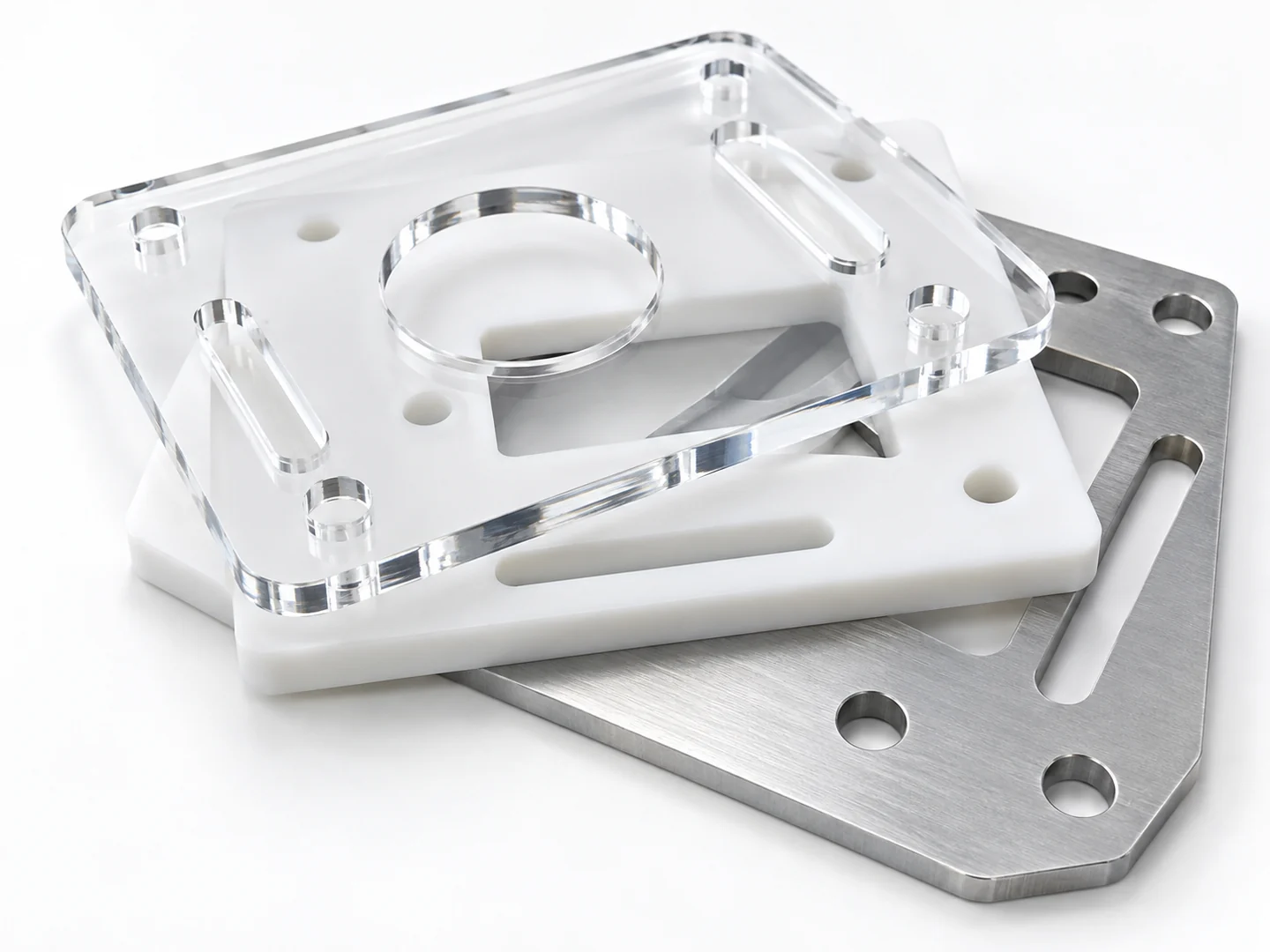
Tool selection, feed, speed, workholding and finishing strategy are evaluated together for exposed edges and functional mating surfaces.
Get a CNC Routing Quote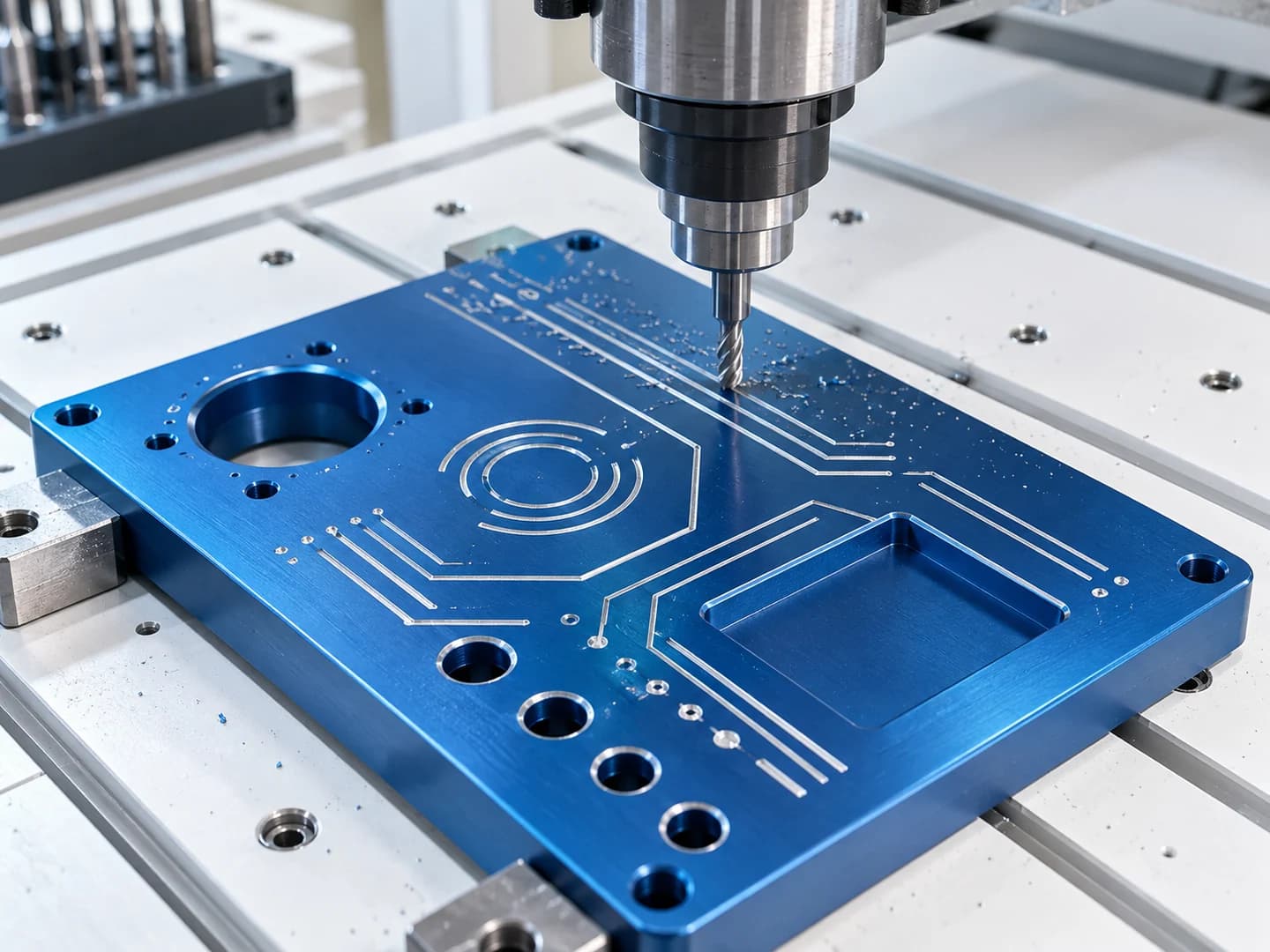
Shallow channels, identification features and detailed surface patterns can be included where cutter access and material behavior are suitable.
Get a CNC Routing Quote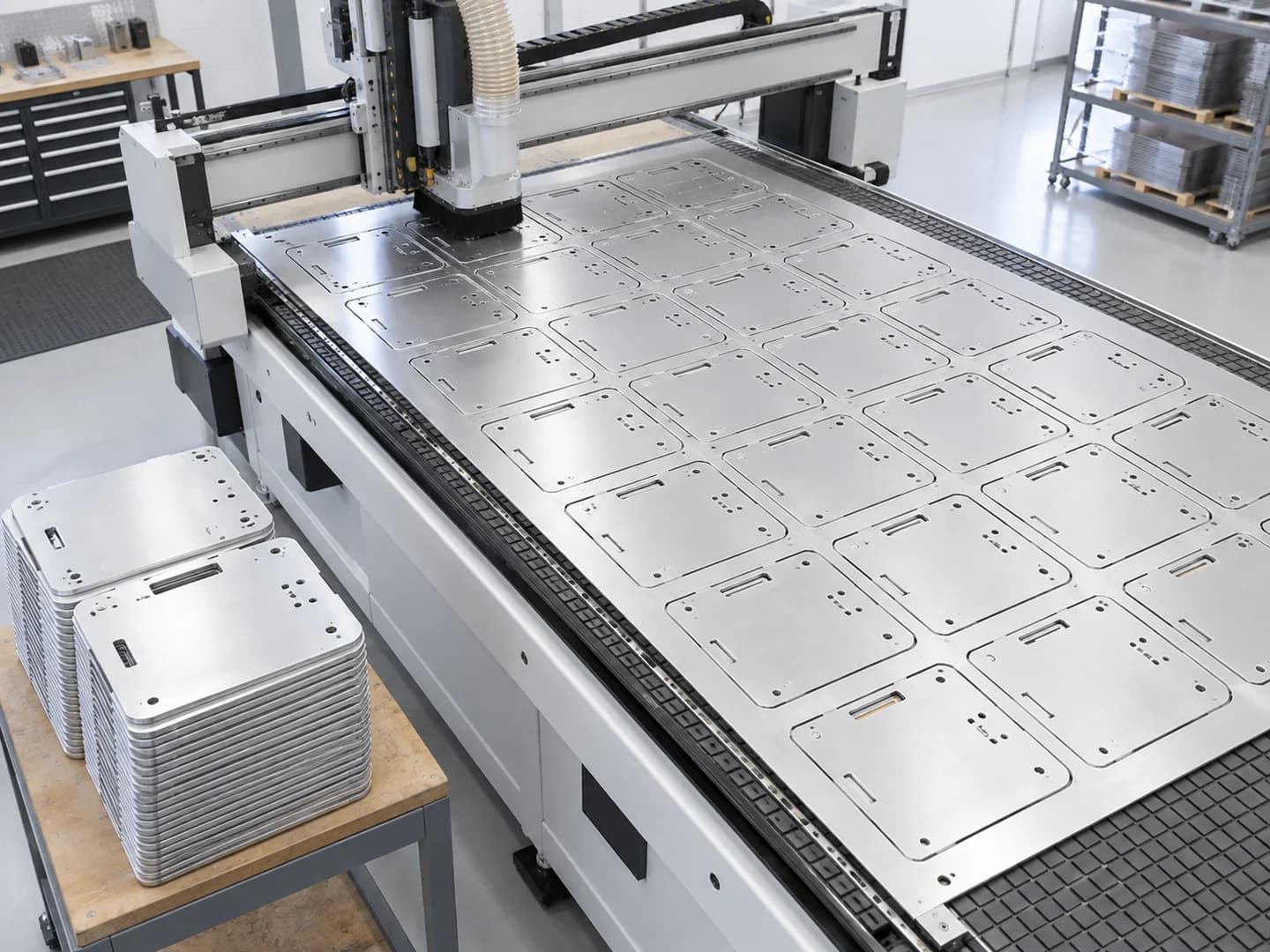
Prototype layouts can be reviewed with the intended repeat quantity so nesting, inspection and finishing requirements are considered early.
Get a CNC Routing Quote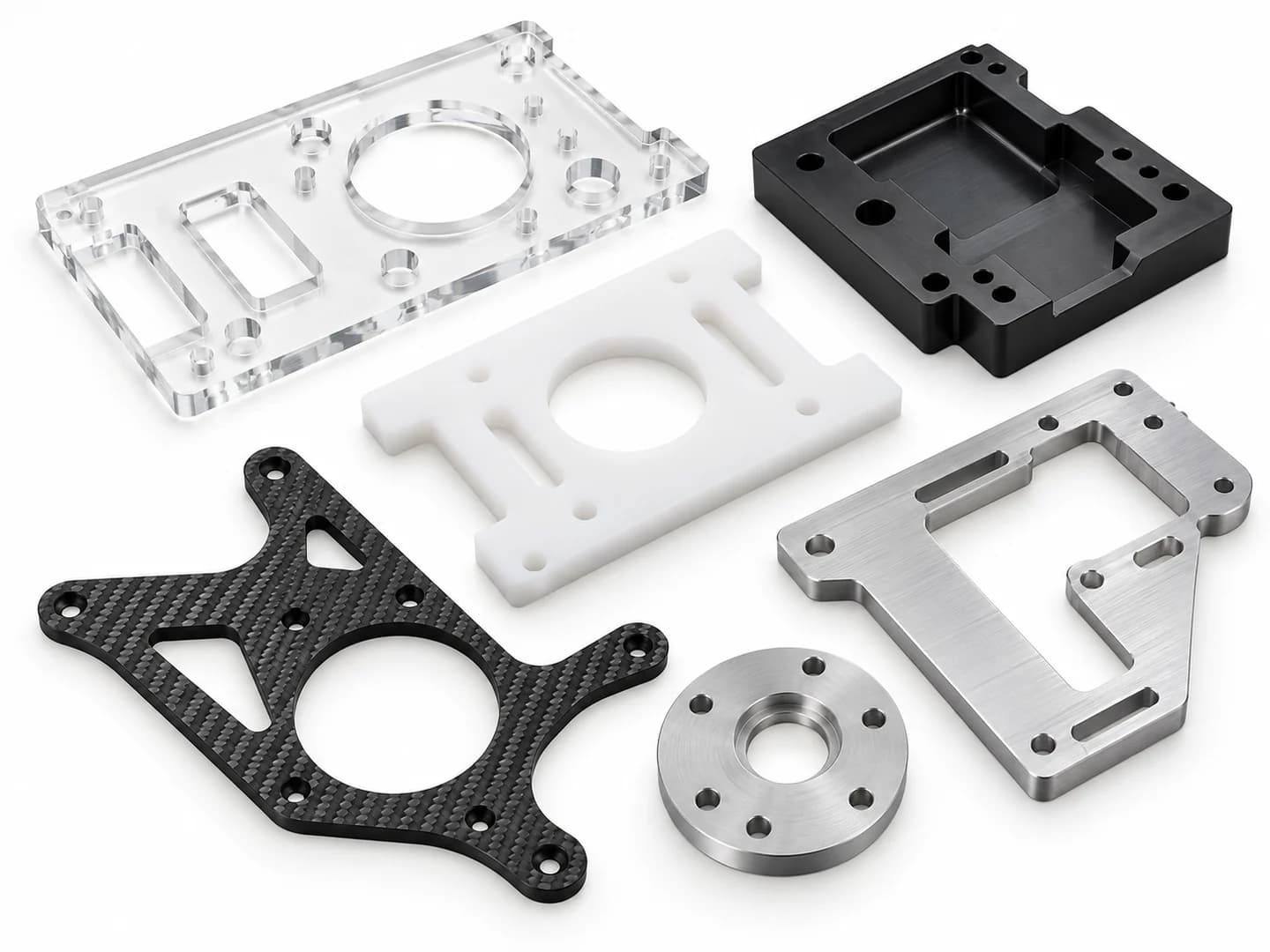
Aluminum sheet, acrylic, engineering plastics and selected composites require different cutters and process settings, so material grade must be confirmed before quotation.
Get a CNC Routing QuoteMaterials reviewed by project
Do not select a routing process from the material name alone. Grade, thickness, flatness, surface protection and edge requirements must be reviewed together.
Explore surface finishingPanels, covers, mounting plates and lightweight structural profiles.
Transparent panels, guards and visual components where edge appearance matters.
HDPE, POM, PVC and other specified grades reviewed for heat, chip and holding behavior.
Composite panels require confirmation of tooling, dust control, edge condition and inspection needs.
CNC routing process
Send the current CAD model, DXF or DWG profile, 2D drawing and the requested quantity. Include material grade, thickness and cosmetic requirements when known.
We review cutter access, inside radii, tabs or workholding, edge expectations, nesting opportunity, tolerances and any secondary finishing requirements.
Material, revision, quantity, inspection scope and finishing details are confirmed before the approved production route moves forward.
Nesting and repeat production
Part spacing, cutter diameter, holding tabs and sheet utilization can affect both process stability and quotation.
Request a Routing ReviewCommon routed-part applications
Application examples help describe likely geometry; suitability remains subject to drawing and material review.
Machine covers, mounting plates, operator panels and equipment interfaces.
Clear guards, lightweight covers, access panels and protective barriers.
Assembly fixtures, drill templates, gauges and production aids.
Front panels, backplates, ventilation cutouts and connector openings.
Acrylic panels, shaped profiles and presentation structures.
Lightweight panel shapes and transportation or equipment components.
CNC routing FAQ
Upload the controlled drawing when an answer depends on material, geometry or tolerance.
CNC routing is commonly considered for profiles, pockets, cutouts, drilling and engraving in suitable sheet and panel materials. Typical projects include machine panels, guards, covers, fixtures, display components and lightweight structural parts.
Routing is often suited to larger sheet or panel formats and relatively shallow features, while CNC milling is commonly selected for rigid workpieces, deeper features and tighter three-dimensional feature relationships. The drawing determines the appropriate process.
Send STEP or STP files when available, plus DXF or DWG profiles and a controlled PDF drawing. Include material, thickness, quantity, critical tolerances, finish and delivery requirements.
Many acrylic and engineering-plastic grades can be routed, but edge appearance, heat sensitivity, workholding and material thickness affect the process. The exact grade should be included with the inquiry.
Finishing can be reviewed with the routed part. Specify required anodizing, conversion treatment, painting or other finish details, including color, masking and dimensions controlled after finishing.
Material and sheet size, thickness, cutting distance, number of tool changes, pocket depth, edge requirements, nesting efficiency, quantity, inspection and secondary finishing all influence quotation.
Upload your panel files, drawing, material, quantity and edge requirements for a focused manufacturing review.