Large CNC milling
Large plates, frames, bases and multi-face housings reviewed around machine travel, cutter reach, support and datum transfer.
Review my project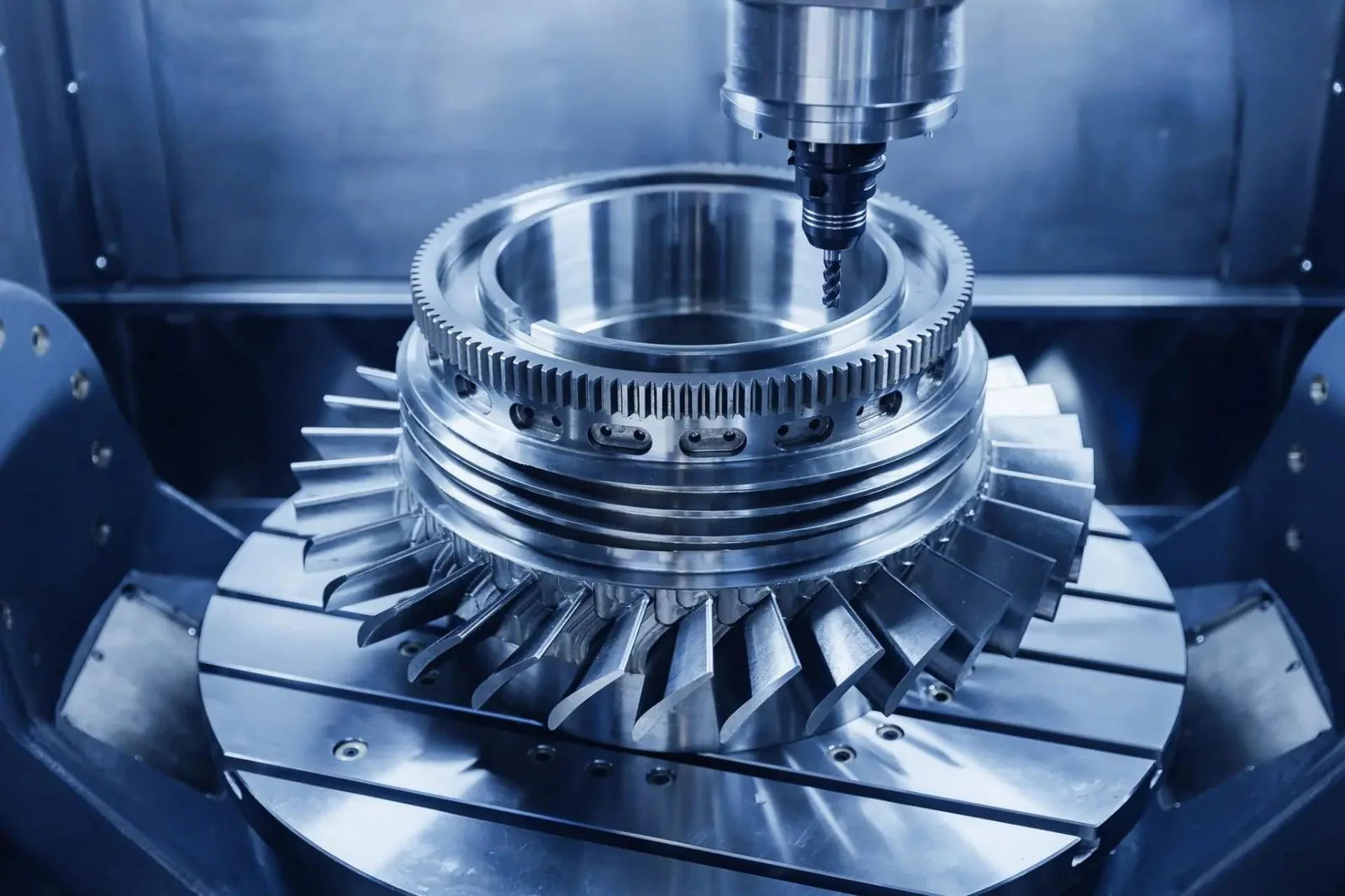
Oversized and heavy component machining
Plan oversized housings, frames, plates and rotational components around usable machine envelope, stable workholding, tool access, controlled datum transfer and practical inspection.
Large CNC machining processes
A large component may need several coordinated operations. Equipment and capacity are confirmed only after the finished model, raw stock, weight, tool access and acceptance criteria are reviewed.
Large plates, frames, bases and multi-face housings reviewed around machine travel, cutter reach, support and datum transfer.
Review my projectLong or large-diameter rotational parts planned around chucking, steady support, concentricity, runout and internal-to-external relationships.
Review my projectAligned bores and multi-side features evaluated for stable access with fewer repositioning steps.
Review my projectDeep passages require a project-specific review of diameter, depth, straightness, chip evacuation and inspection access.
Review my projectCritical faces and fits may need a controlled finishing stage after rough machining, stress relief or heat treatment.
Review my projectMeasurement, deburring, protection and specified finishes are coordinated around the released drawing.
Review my project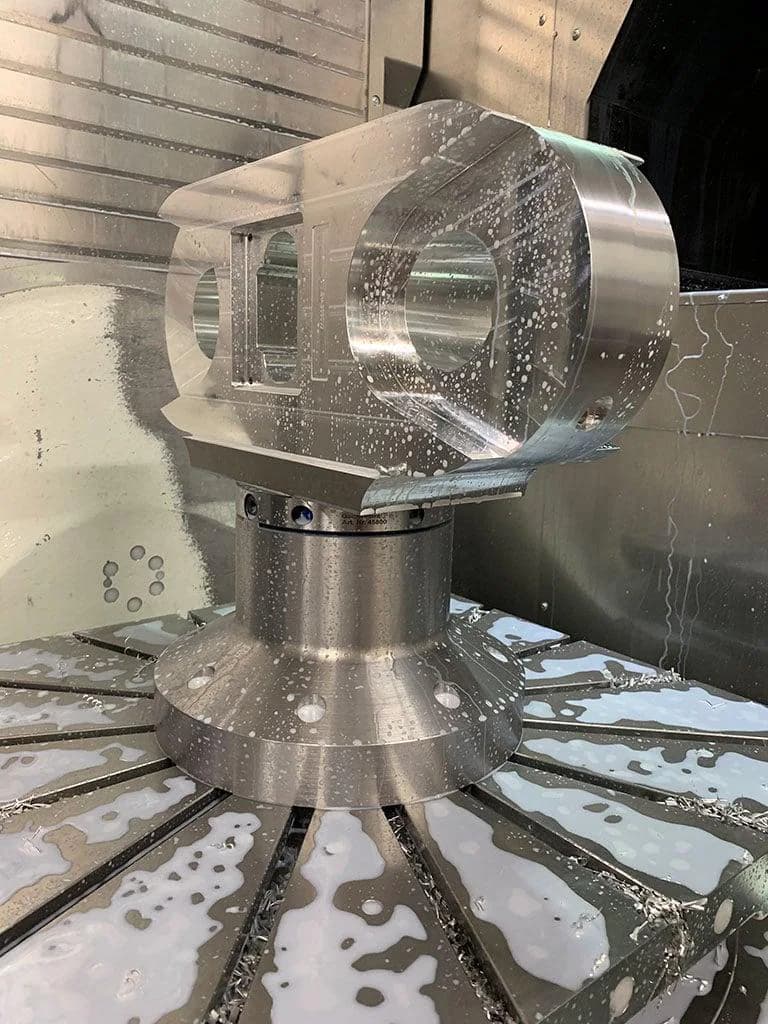
Large-part process planning
The usable setup must also leave room for fixtures, cutters, spindle approach, chip removal and repositioning. Large components amplify the effect of residual stress, gravity, temperature and distant datum relationships.
Review finished geometry, raw stock, weight, rotary clearance and every required setup.
Plan support, clamping, stock allowance and a balanced material-removal sequence.
Re-establish references and verify the critical relationships defined on the drawing.
Large CNC machined parts
These images show the bores, cavities, ribs, blades, flanges and extended surfaces that make setup planning and long-range measurement important.
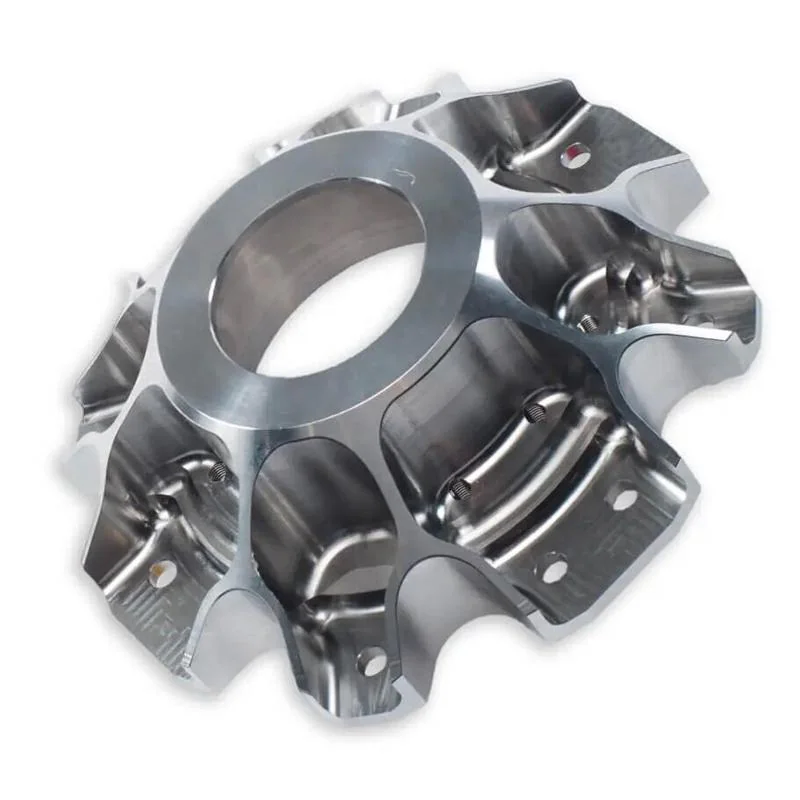
Compound surfaces, deep pockets and features across several orientations require coordinated tool access, workholding and datum control.
Quote a similar part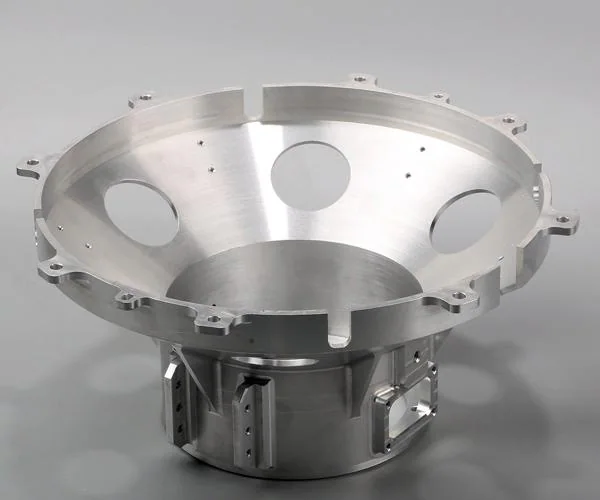
Large cavities, thin sections and flange interfaces must be planned around material removal, support and dimensional movement.
Quote a similar part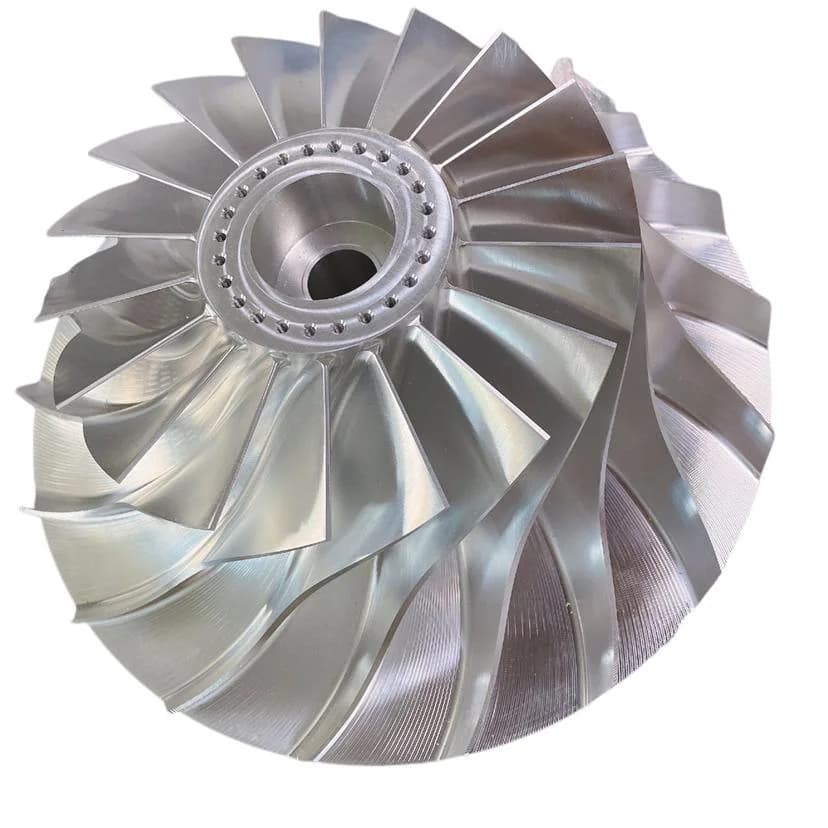
Curved blades, hub geometry and rotational relationships make cutter access, surface condition and inspection strategy central to the process plan.
Quote a similar part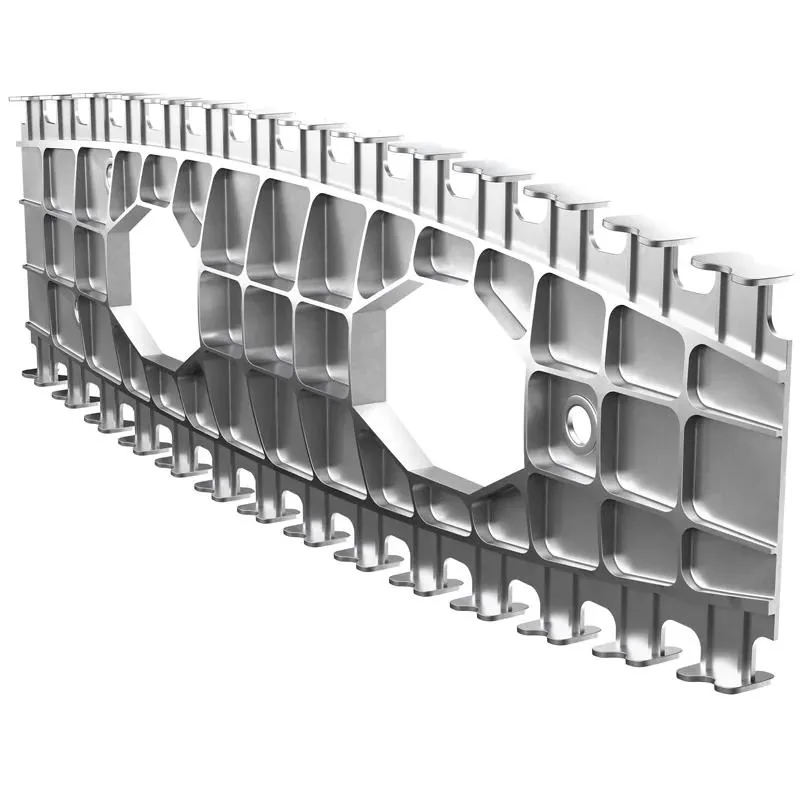
Ribs, pockets and extended walls benefit from balanced stock removal, stable support and carefully sequenced finishing passes.
Quote a similar part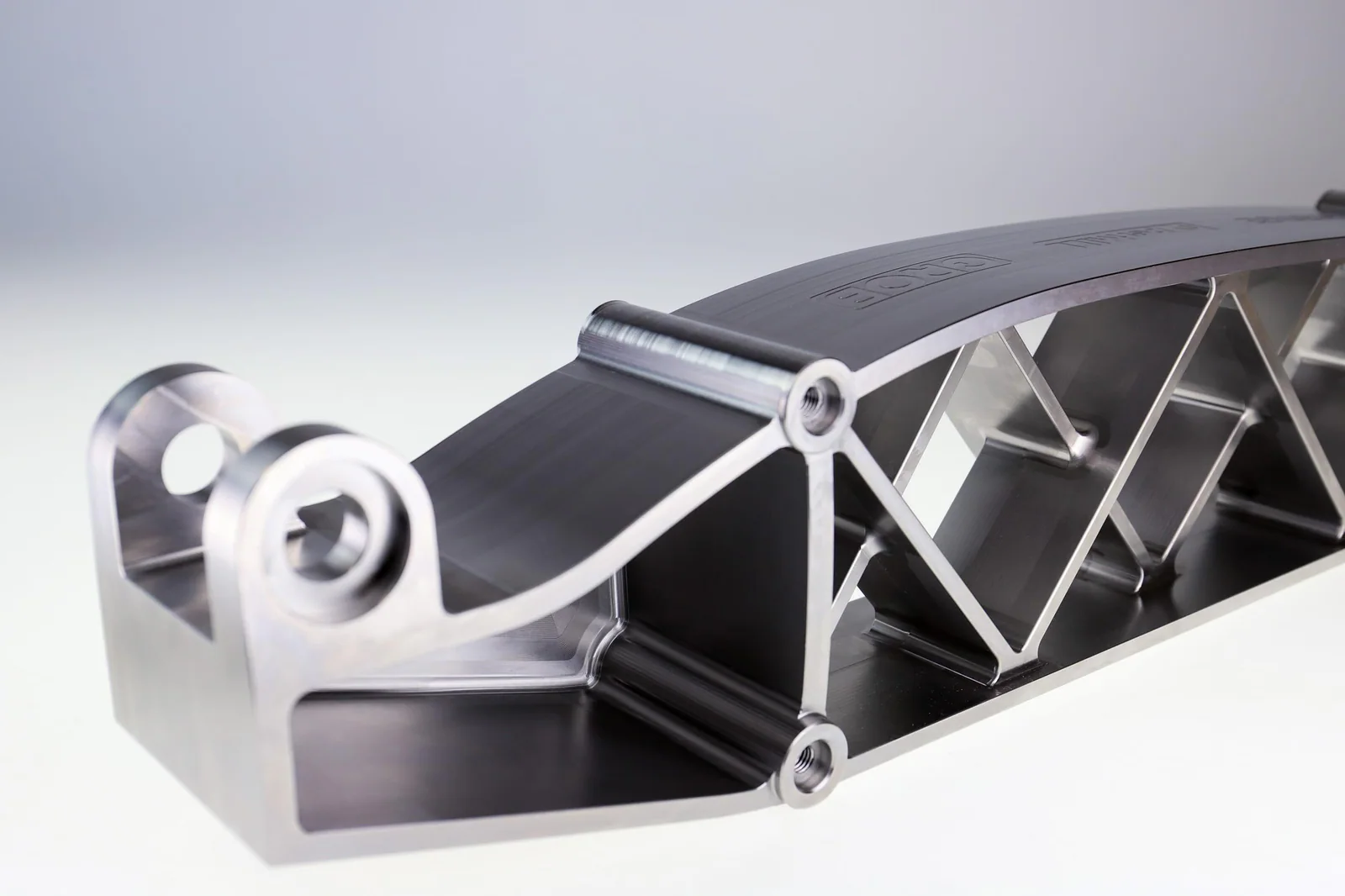
Long spans and distant interfaces require a functional datum scheme and a measurement plan that covers the complete component.
Quote a similar part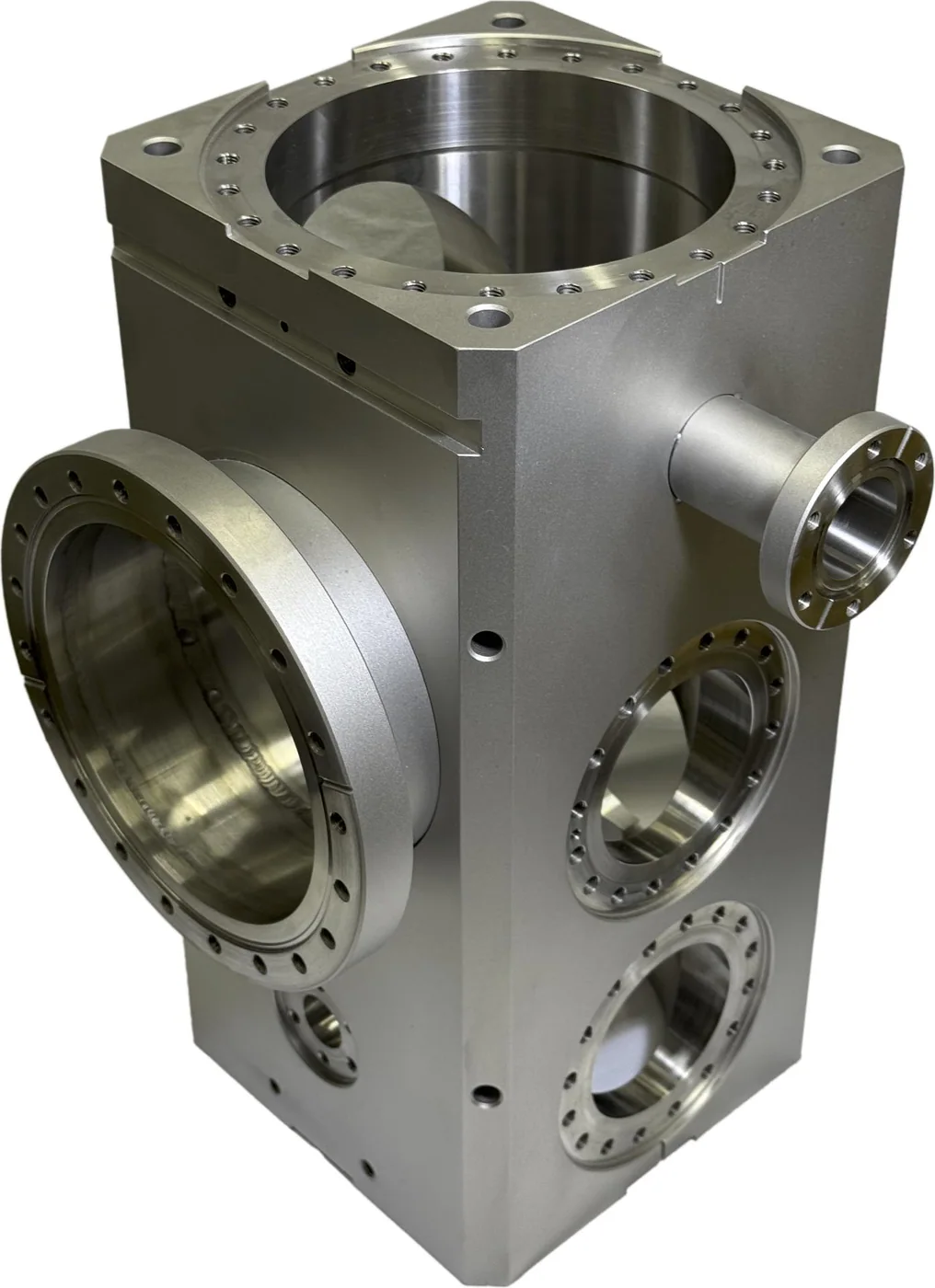
Large intersecting bores and flange faces depend on stable positioning, multi-side access and controlled alignment between interfaces.
Quote a similar part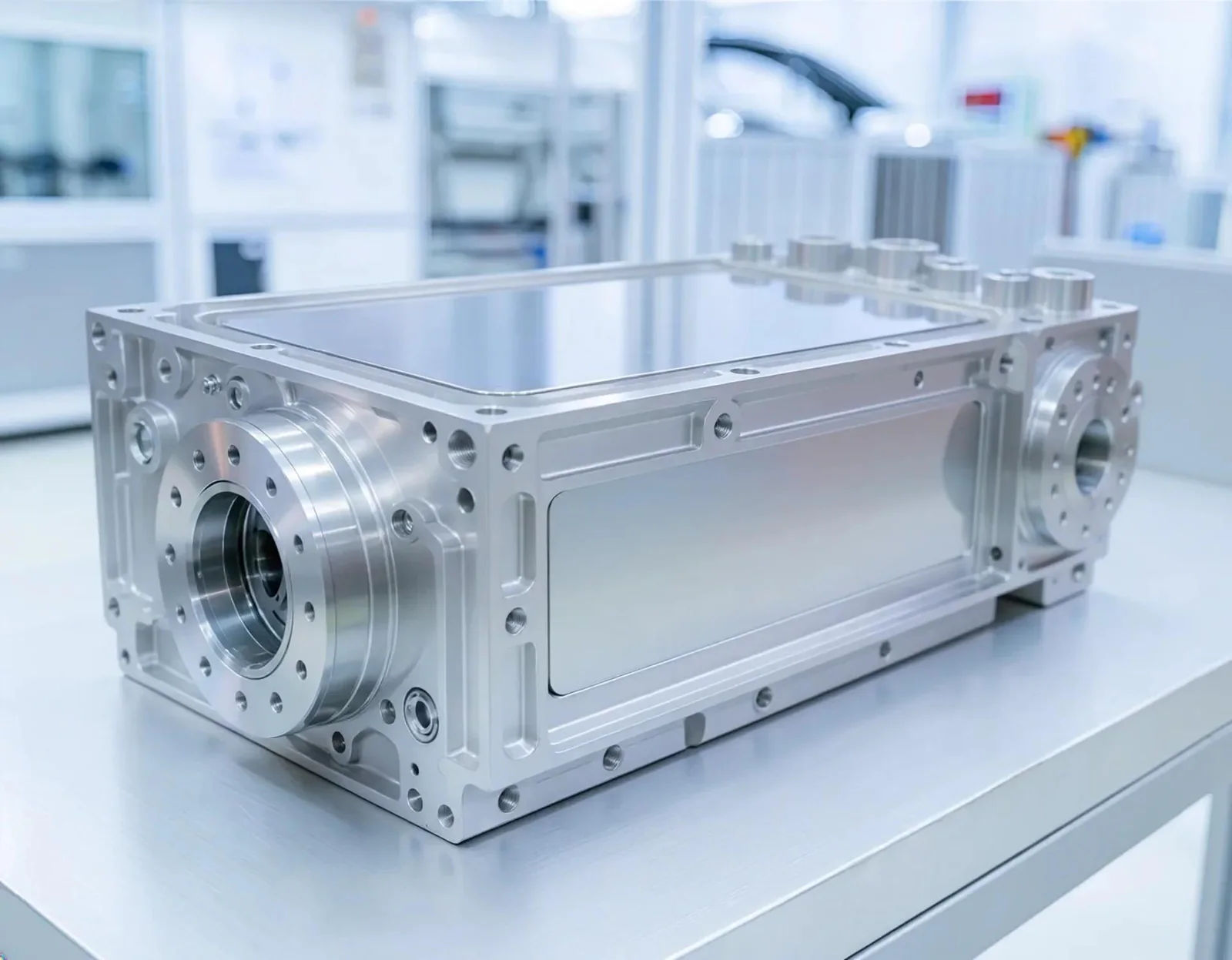
Extended sealing faces, bores and hole patterns should be tied to the assembly datums and post-finish acceptance requirements.
Quote a similar part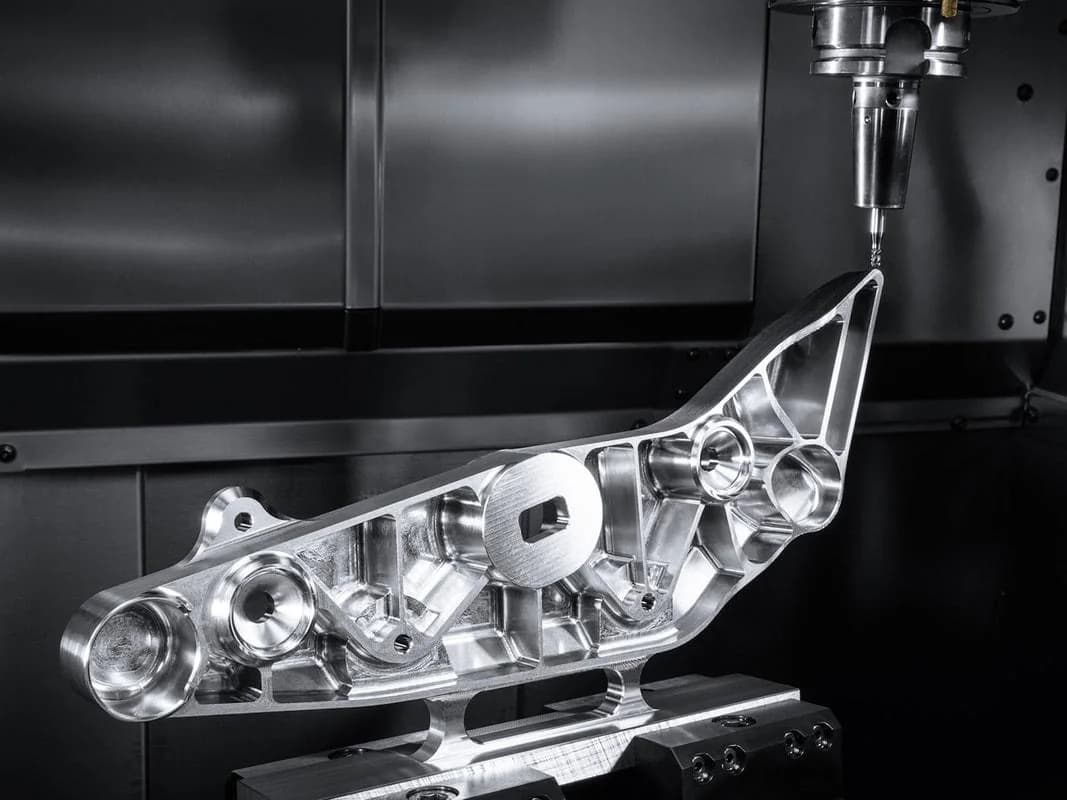
Machining the component in a controlled setup helps maintain relationships between bores, ribs, pockets and mounting features.
Quote a similar partMachining in motion
This 11-second machining sequence stays on the milling spindle, metal workpiece and continuous cutting process. For large-part projects, the exact machine, fixture, handling route and measurement method are selected from the drawing review.
Send Your Large-Part RFQCapacity confirmation
Published machine numbers can be misleading without the actual setup. Our quotation review connects customer inputs to the usable capacity and risk controls required for the part.
Large-part machining materials
Provide the exact grade, temper or heat-treated condition, raw size and any prior welding or stress relief. Those facts influence stability, tooling and inspection.
Grade, temper, stock flatness and residual stress are reviewed for large frames, plates and housings.
Stock allowance, weld condition, hardness and corrosion protection affect roughing and finishing decisions.
Heat treatment sequence, hardness and finish-machining requirements should be defined before quotation.
Grade, work hardening, heat input and surface requirements influence tooling and process stability.
Casting condition, machining allowance, inclusions and critical sealing or bearing areas require drawing review.
Large tooling blocks may combine rough machining, heat treatment, EDM, grinding and final inspection.
High-value stock requires project-specific confirmation of geometry, access, tooling and inspection scope.
Provide raw dimensions, weight, certificates, prior processing and machining allowance with the RFQ.
Large machining DFM
Large-part DFM should protect function while keeping the setup, cutting sequence and inspection method practical.
Large stock can move as material is removed. Roughing allowance, balanced cutting and intermediate stabilization may be required.
Clamp position, support spacing and the component's own weight can affect stability and access.
Deep cavities, tall walls and long bores need a realistic cutter, coolant and chip-control plan.
Features on distant faces need references that can be recreated during machining and inspection.
Long cycles and large workpieces can make temperature and measurement condition relevant to acceptance.
Lifting points, center of gravity, surface protection and packaging belong in the project plan.
Large-part machining workflow
Each stage follows the same released drawing and acceptance requirements so machining, secondary processing, inspection and logistics remain aligned.
Confirm finished size, raw stock, weight, material, quantity, critical features and delivery destination.
Select equipment, setups, supports, machining allowance and in-process checks from the complete drawing.
Remove stock in a sequence that protects rigidity and leaves controlled allowance for later operations.
Coordinate any specified stress relief, heat treatment, boring, drilling or outsourced operation.
Re-establish datums and complete critical bores, faces, threads and interfaces to the released requirements.
Verify agreed characteristics, protect machined surfaces and prepare handling and shipping documentation.
Inspection for oversized components
Large parts need an inspection plan that considers support, temperature, access and the measurement range. Do not assume every feature can be verified by the same instrument or in the same orientation.
Explore quality planningIdentify the bores, faces, datums and relationships tied to fit, motion, sealing or alignment.
State free-state, restrained or temperature-related requirements where they affect acceptance.
Plan suitable measurement for distant datums, hole patterns, alignment and parallel surfaces.
Check high-risk features before a later setup or material-removal stage makes correction impractical.
Clarify coating allowance, masked zones and which features are accepted after secondary treatment.
Define first-article, dimensional, CMM or other report needs during quotation.
Large-part machining applications
Machine bases, housings, tables, tooling structures and replacement components.
Discuss this applicationLarge rings, impeller-related components, frames and equipment interfaces.
Discuss this applicationLarge fixtures, tooling plates, structural hardware and assembly aids.
Discuss this applicationRobot bases, gantries, end-effectors and precision mounting structures.
Discuss this applicationFrames, chambers, motion bases and multi-interface equipment housings.
Discuss this applicationPrototype and production structures, fixtures, housings and test-system components.
Discuss this applicationLarge mold bases, inserts, tooling blocks and production fixtures.
Discuss this applicationLarge manifolds, covers, housings, plates and sealing interfaces.
Discuss this applicationPackaging and delivery planning
Packaging must reflect component weight, center of gravity, critical surfaces, corrosion risk and the equipment available at the destination.
Add Delivery RequirementsLarge-part CNC machining RFQ
A reliable quotation needs the raw stock and handling context as well as the finished geometry.
Start a Large-Part QuoteLarge CNC machining FAQ
For a capacity answer tied to your component, upload the complete model and drawing with raw stock, weight, material and inspection requirements.
Request a drawing reviewThere is no single industry-wide size threshold. A project becomes large-part machining when its envelope, weight, length, diameter, rigidity, handling or inspection requirements exceed a standard machining approach.
Send the finished 3D model, controlled drawing, raw stock dimensions, estimated weight, material, required setups and delivery quantity. Effective capacity depends on workholding, tool reach, rotary clearance and the features that must be machined.
A nominal machine travel or table load does not by itself confirm feasibility. We confirm the usable envelope and handling route after reviewing the complete model, stock, fixtures, tool access and acceptance requirements.
Projects may involve large CNC milling, turning, horizontal boring, deep-hole drilling, grinding, EDM, heat treatment and surface finishing. The final route depends on geometry and supplier capability confirmed during quotation.
The process may use suitable stock condition, balanced roughing, planned support, intermediate allowance, stabilization steps and controlled finish machining. The correct approach is specific to material and geometry.
Inspection may use suitable gauges, height and bore measurement, CMM, portable measurement or other agreed methods. Feature size, access, tolerance, support and report requirements determine the approach.
Yes, subject to equipment and workholding review. The datum and setup plan must preserve relationships between bores, faces and mounting features after repositioning.
Common project materials include aluminum, carbon and alloy steel, stainless steel, cast iron, tool steel, titanium and customer-specified stock. Exact grade and condition must be stated in the RFQ.
Specified finishing can be coordinated with machining. State the finish standard, coating thickness, color, masking, cosmetic zones and dimensions that apply after treatment.
Include a STEP or STP model, controlled PDF drawing, material and stock condition, finished and raw dimensions, weight, quantity, critical GD&T, finish, inspection records, packaging and destination.
Upload the complete model, controlled drawing, raw stock, material, weight, quantity, critical features, finish and delivery requirements for a focused feasibility review.