Discover how MIMCNC supports precision CNC projects through appropriate process selection, multi-axis machining, project-specific inspection and coordinated surface finishing. From a single prototype to repeat production, learn how clear technical requirements and practical communication help purchasing, engineering and supply chain teams move from drawings toward parts ready for assembly.
Key takeaways
Machining routes selected around part geometry and functional requirements.
Support from one prototype through small batches and repeat production.
Inspection, finishing and delivery expectations agreed for each project.
01
A Partner for Engineering, Purchasing and Supply Chain Teams
Choosing a CNC manufacturing partner involves more than comparing unit prices. Purchasing managers need a clear production scope, engineers need confidence that functional requirements are understood, and supply chain teams need visibility into progress and delivery. A successful partnership brings these priorities together before production begins.
At MIMCNC, we support customers with precision CNC machining, inspection and coordinated surface finishing—from a single prototype to repeat production. Our approach starts with the part: its geometry, material, application and the requirements that determine whether it will work in your assembly.
02
A Manufacturing Process That Fits the Geometry
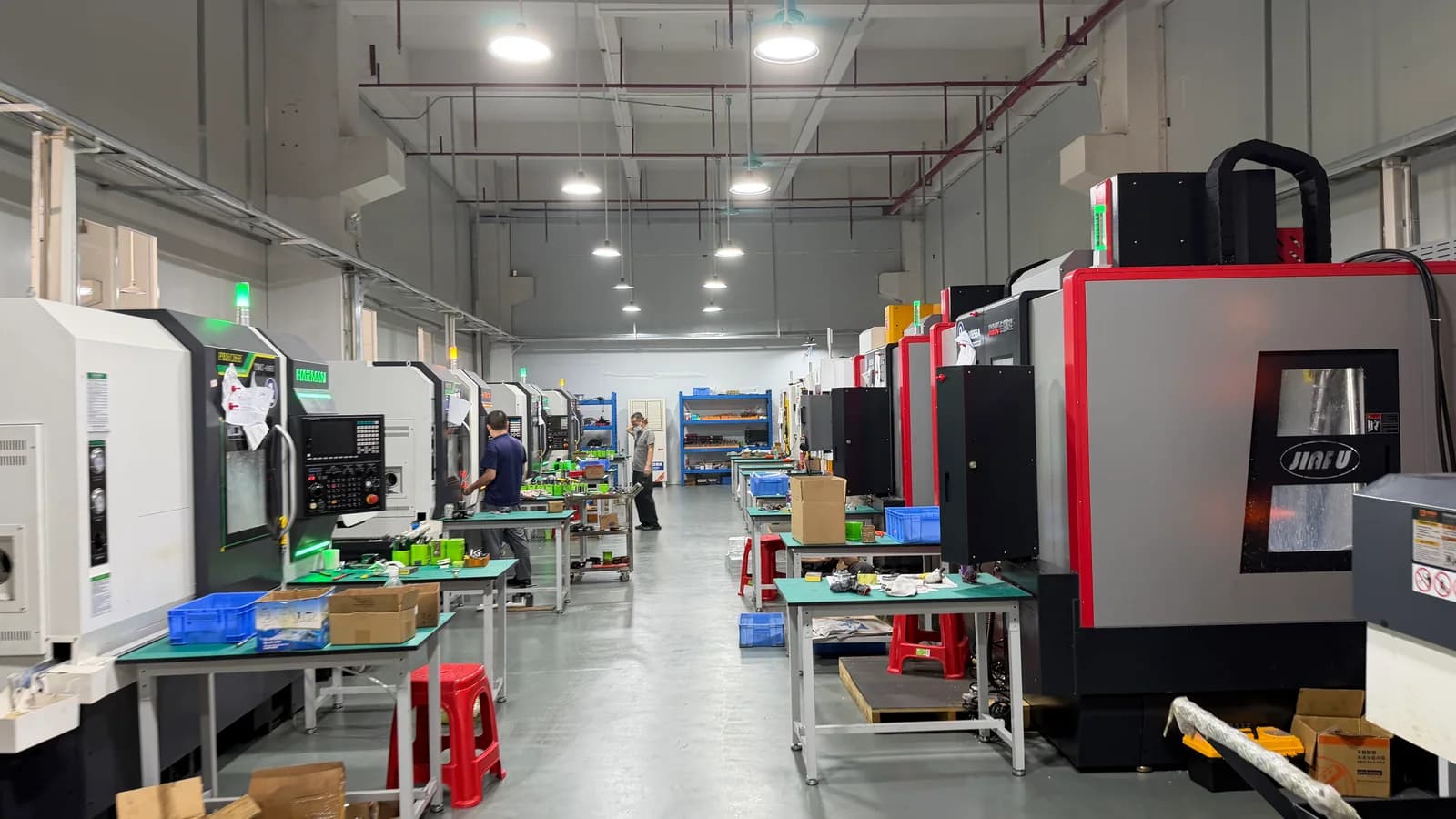
Different parts call for different machining strategies. MIMCNC offers 3-, 4- and 5-axis CNC milling, CNC turning and turn-milling. Selecting the appropriate route means considering tool access, workholding, critical features and the relationships between machined surfaces.
A rotational component may suit turning, while additional flats, slots or cross-holes may make turn-milling worth evaluating. A housing with features on several faces may benefit from multi-axis milling. The objective is to match the process to the drawing rather than add complexity that does not improve the result.
We machine aluminum, stainless steel, brass, titanium alloys and engineering plastics. Material selection also affects the process, so the specified grade and condition should be included in the initial review.
03
Five-Axis Machining Where It Adds Value
For suitable parts, five-axis machining can improve access to angled features and complex surfaces while reducing the number of separate setups. Keeping more operations within one setup can reduce opportunities for error when a component is removed, repositioned and clamped again.
However, five-axis machining is not automatically the best choice for every component. Part size, rigidity, geometry, inspection requirements and production quantity all influence the decision. Reviewing these factors helps identify where five-axis capability provides a practical benefit and where a simpler route is appropriate.
04
Support From One Prototype to Repeat Production
Early samples help customers evaluate fit, function and assembly before committing to larger quantities. MIMCNC supports orders starting from one sample, alongside prototyping, small-batch manufacturing and volume production.
Moving beyond the prototype stage requires more than increasing the order quantity. Drawing revisions, material specifications, finishing requirements and inspection expectations need to be clearly aligned. Sample feedback provides an opportunity to resolve manufacturing questions before they become recurring production issues.
For ongoing programs, KANBAN inventory arrangements can also be discussed. Quantities, replenishment rules and responsibilities are agreed according to customer needs.
05
Inspection That Reflects How the Part Will Be Used
A component must meet more than its nominal dimensions. Its mating features, visible surfaces and condition on arrival can all affect whether it is ready for assembly.
MIMCNC uses inspection equipment including CMMs, optical projectors and height gauges, with inspection reports available according to project requirements. The inspection scope should identify which characteristics matter, what records are needed and how acceptance will be assessed.
Dimensional checks help verify fit and feature relationships. Appearance checks address specified cosmetic requirements, while outgoing checks help confirm that parts are prepared for delivery in the agreed condition. Defining these expectations early makes acceptance clearer for both teams.
06
Coordinated Finishing and Clear Communication
Anodizing, electroplating, powder coating and painting can be coordinated as part of the manufacturing scope. These processes should be considered alongside machining because they can affect dimensions, appearance and assembly interfaces. Drawings should identify final-finish requirements and any surfaces requiring special attention.
Clear communication is equally important. Manufacturing risks, open technical questions, production progress and delivery expectations should be discussed in practical terms. Precision and lead time depend on the individual project; they should be evaluated against its actual requirements.
MIMCNC continues to invest in equipment and the development of its engineering and quality teams. For customers, the purpose is consistent: better-informed manufacturing decisions and dependable support as projects develop.
07
Send Us Your Drawings for a Project Review
Have a precision CNC component to source? Send your drawings or CAD files, material requirements and quantities. Include your surface finish, critical features and target delivery date so we can review the project and prepare a quotation.

Julie Cai
Project contact connecting international customers with MIM Machining's manufacturing and engineering review team.
Contact Julie