A tooling quotation is the start of a manufacturing program, not the complete plan. Buyers can reduce avoidable changes by agreeing design inputs, sample evidence and handover requirements before the mold build begins.
Key takeaways
Release a controlled part definition before approving tool construction.
Agree sample acceptance criteria separately from the first trial date.
Review the destination molding machine and handover scope early.
01
Begin with a controlled set of requirements
Injection mold manufacturing turns a part design into a tool that repeatedly forms, cools and releases the specified component. Machined cavities are only part of that system: feeding, cooling, ejection and moving features must work together.
For purchasing teams, the first task is to make the quotation inputs complete. Supply the current CAD model, drawing revision, resin grade, intended production quantity and critical requirements. Identify cosmetic surfaces and mating interfaces so that decisions can be reviewed against function rather than appearance alone.
02
Approve the design decisions that affect the part
Before tool construction, review the proposed parting line, gate location, draft, undercuts and ejection approach. These decisions influence visible marks, demolding and the complexity of the tool. Confirm any proposed part changes through the drawing-control process.
A useful review records both the decision and its owner. If an appearance limit or resin choice remains open, mark it as unresolved instead of treating the quotation as approval. A short decision log helps engineering and purchasing work from the same assumptions.
03
Understand the build without prescribing every operation
Tool construction may include CNC machining, electrical discharge machining, fitting, polishing and assembly. The combination depends on geometry, tool material and the specified finish. The supplier should explain which operations drive the schedule and which customer decisions could delay them.
Ask for milestones that can be checked: design approval, completion of major tooling components, assembly readiness and trial preparation. Avoid using one delivery date to represent all of these different stages.
| Stage | Buyer input | Evidence to agree |
|---|---|---|
| Design release | Controlled geometry and resin | Approved design review |
| Build planning | Volume and machine requirements | Tool specification and milestones |
| Trial | Sample quantity and criteria | Trial record and measured samples |
| Handover | Destination and ownership terms | Tool records and transfer checklist |
04
Treat first samples as evidence, not automatic approval
A first trial establishes what the tool and process currently produce. It is not automatically production approval. Agree which dimensions, appearance features and functional checks must be reported, and identify samples by cavity where appropriate.
For example, a housing may meet several dimensions while its cover still fails to assemble. Define the mating test before the trial and keep it separate from cosmetic approval. Record each correction, the responsible party and the evidence needed to close it.
05
Plan transfer and repeat production
If the mold will run at another facility, confirm the destination machine interface, utilities and handling requirements before the design is locked. Tool acceptance at the builder and successful operation at the destination are related but distinct milestones.
Agree the documentation package, spare components, maintenance information, preservation and packaging. Ownership, storage and future modification responsibilities should be clear in the commercial scope. None of these items should be assumed from the tooling price alone.
06
Prepare a tooling RFQ that supports a useful quotation
Send MIMCNC your controlled model and drawing, resin requirements, sample and production quantities, and target timing. Add the destination machine information when the tool will be transferred.
Ask the quotation to distinguish tool construction, trials, sample inspection and shipping. A project-specific review can then address unresolved requirements and identify the next decision needed before work proceeds.
- Part revision and material grade
- Critical dimensions and appearance criteria
- Expected volume and destination machine
- Trial samples and acceptance evidence
- Documentation, spares and handover scope
07
Image credit
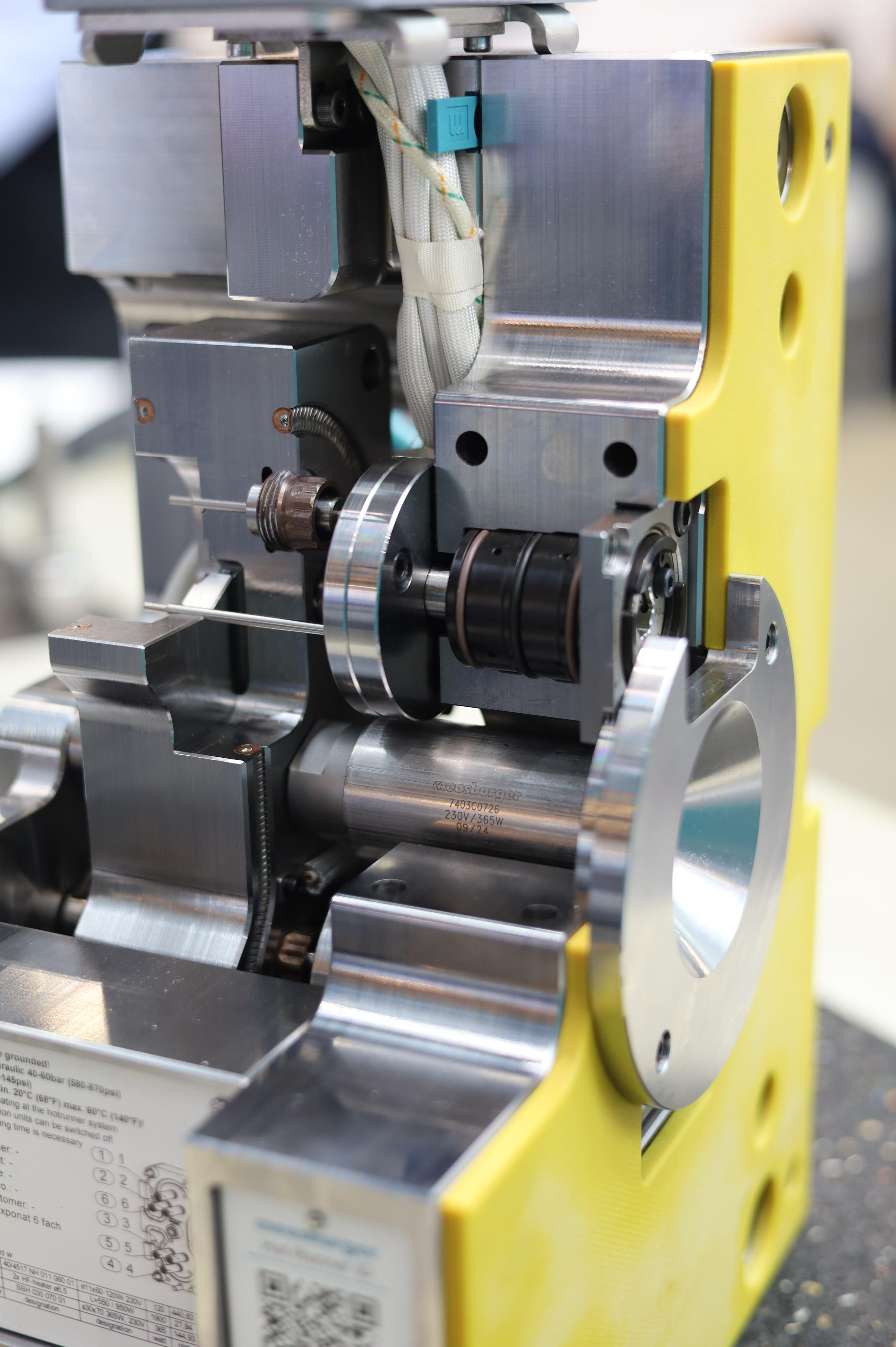
Reference photograph: Bricetofly, Injection mold - (5), CC0. This is an illustrative tooling image, not a MIMCNC factory or customer project photograph.
Frequently asked questions
Questions engineers and buyers ask before quotation.
Does a first trial mean the mold is approved?+
No. Approval depends on the agreed dimensional, appearance, functional and process evidence.
What should be confirmed before machining the mold?+
The controlled part definition, resin, tool concept, critical requirements and intended production conditions.
Can every mold follow the same build schedule?+
No. Geometry, materials, moving features, finish, trials and approval cycles affect timing.

Julie Cai
Project contact connecting international customers with MIM Machining's manufacturing and engineering review team.
Contact Julie